

How to test the functionality of an RF Admittance Switch?
Leave a message

Testing the functionality of an RF Admittance Switch is a crucial process that ensures the reliable operation of this essential device in various industrial applications. As a leading supplier of RF Admittance Switches, we understand the significance of accurate testing to guarantee the performance and safety of our products. In this blog post, we will discuss the step-by-step process of testing the functionality of an RF Admittance Switch, highlighting the key considerations and best practices.
Understanding RF Admittance Switches
Before delving into the testing process, it is essential to have a clear understanding of what an RF Admittance Switch is and how it works. An RF Admittance Switch is a level sensing device that uses radio frequency (RF) technology to detect the presence or absence of a material in a container or tank. It operates based on the principle of measuring the admittance, which is the combination of conductance and susceptance, between the probe and the ground. When the material comes into contact with the probe, the admittance changes, and the switch is triggered.
RF Admittance Switches are widely used in industries such as chemical, pharmaceutical, food and beverage, and wastewater treatment for level control, overfill protection, and blockage detection. They offer several advantages over other types of level sensors, including high sensitivity, reliability, and resistance to coating and buildup.
Preparing for Testing
Before testing the RF Admittance Switch, it is important to gather the necessary tools and equipment. You will need a multimeter, a power supply, a test tank or container, and the appropriate calibration materials. Make sure that the test tank is clean and free of any debris or contaminants that could affect the accuracy of the test.
Next, carefully review the manufacturer's instructions and specifications for the RF Admittance Switch. Familiarize yourself with the operating parameters, such as the power supply requirements, the output signal type, and the calibration procedure. This will help you ensure that the switch is installed and configured correctly for testing.
Step-by-Step Testing Process
1. Visual Inspection
Start by conducting a visual inspection of the RF Admittance Switch. Check for any signs of damage, such as cracks, dents, or loose connections. Ensure that the probe is clean and free of any coating or buildup that could interfere with the sensing operation. If any issues are detected, address them before proceeding with the testing.
2. Power Supply Check
Connect the RF Admittance Switch to the power supply according to the manufacturer's instructions. Use a multimeter to verify that the power supply voltage is within the specified range. If the voltage is too high or too low, it could affect the performance of the switch.
3. Output Signal Check
Once the power supply is connected, check the output signal of the RF Admittance Switch. Most RF Admittance Switches provide a digital output signal, such as a relay contact or a transistor output. Use a multimeter or a signal tester to verify that the output signal changes as expected when the probe comes into contact with the material.
4. Calibration
Calibration is an important step in testing the functionality of an RF Admittance Switch. It ensures that the switch is accurately detecting the presence or absence of the material and providing a reliable output signal. The calibration process typically involves adjusting the sensitivity of the switch to match the specific characteristics of the material being measured.
To calibrate the RF Admittance Switch, follow the manufacturer's instructions carefully. This may involve using a calibration tool or adjusting the settings on the switch itself. Start by filling the test tank with the calibration material to the desired level. Then, adjust the sensitivity of the switch until the output signal changes as expected. Repeat the calibration process several times to ensure accuracy.
5. Functionality Testing
After calibration, conduct a series of functionality tests to verify the performance of the RF Admittance Switch. This may include testing the switch's response time, repeatability, and accuracy. To test the response time, quickly introduce or remove the material from the test tank and observe the output signal. The switch should respond within a specified time frame.

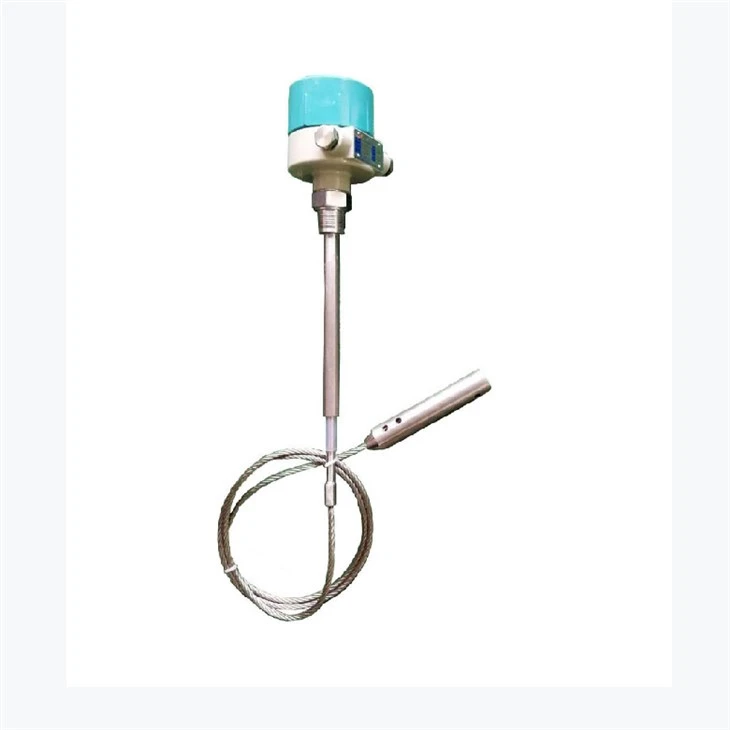
To test the repeatability, perform multiple tests with the same calibration material and level. The output signal should be consistent and repeatable within a certain tolerance. To test the accuracy, compare the measured level with the actual level in the test tank using a reference measurement device.
6. Environmental Testing
In addition to the basic functionality tests, it is also important to conduct environmental testing to ensure that the RF Admittance Switch can operate reliably in real-world conditions. This may include testing the switch's performance at different temperatures, humidity levels, and vibration conditions.
To perform environmental testing, place the RF Admittance Switch in a test chamber or environment that simulates the actual operating conditions. Monitor the switch's performance and output signal over a period of time to ensure that it remains stable and reliable.
Key Considerations and Best Practices
When testing the functionality of an RF Admittance Switch, there are several key considerations and best practices to keep in mind:
- Follow the manufacturer's instructions: Always refer to the manufacturer's instructions and specifications for the RF Admittance Switch. This will ensure that you are testing the switch correctly and safely.
- Use the appropriate calibration materials: Use calibration materials that are representative of the actual material being measured. This will ensure that the switch is calibrated accurately and provides reliable results.
- Test in a controlled environment: Conduct the testing in a controlled environment to minimize the effects of external factors, such as temperature, humidity, and vibration. This will ensure that the test results are accurate and repeatable.
- Keep detailed records: Keep detailed records of the testing process, including the test results, calibration settings, and any observations or issues. This will help you track the performance of the switch over time and identify any potential problems.
Conclusion
Testing the functionality of an RF Admittance Switch is a critical process that ensures the reliable operation of this important device in various industrial applications. By following the step-by-step testing process outlined in this blog post and adhering to the key considerations and best practices, you can ensure that your RF Admittance Switch is accurately detecting the presence or absence of the material and providing a reliable output signal.
If you have any questions or need further assistance with testing the functionality of an RF Admittance Switch, please do not hesitate to contact us. As a leading supplier of RF Admittance Switches, we have the expertise and experience to provide you with the support and guidance you need. We also offer a wide range of Rf admittance level measurement products, including RF Admittance Level Sensor and RF admittance level switch for measuring silo dust, to meet your specific application requirements.
Contact us today to learn more about our products and services and to discuss your RF Admittance Switch needs. We look forward to working with you.
References
- Manufacturer's instructions and specifications for the RF Admittance Switch
- Industry standards and guidelines for level sensing and control
- Technical literature and research papers on RF Admittance technology





