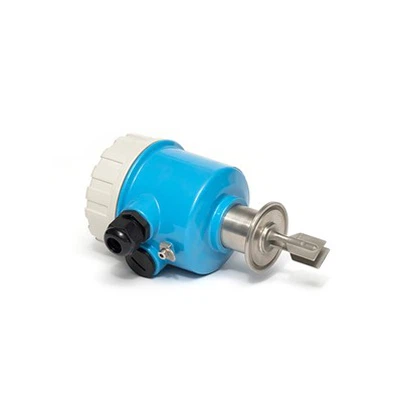

How to choose the right Silo Radar Level Meter for my silo?
Leave a message

Hey there! If you're in charge of a silo, you know how crucial it is to keep tabs on the level of whatever's inside. That's where a silo radar level meter comes in super handy. But with so many options out there, how do you pick the right one? Well, I'm here to help. I'm a supplier of silo radar level meters, and I've seen it all. So, let's dive into the factors you need to consider when making this important decision.
Understanding Your Silo's Needs
First things first, you gotta understand what your silo is all about. What kind of material is stored in it? Is it grain, liquid, or something else? Different materials have different properties, and these properties can affect how well a radar level meter works.
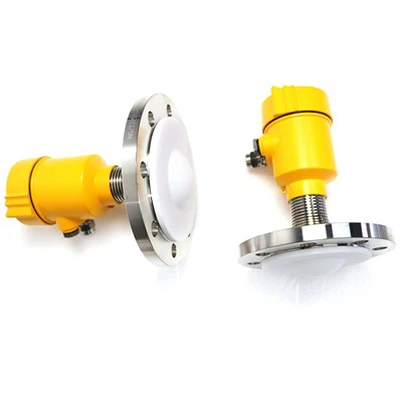
For example, if you're dealing with grain, you might want to check out Grain bin level sensors. Grain can be a bit tricky because it can form uneven surfaces and has a tendency to dust up. A good grain bin level sensor will be able to handle these challenges and give you an accurate reading.
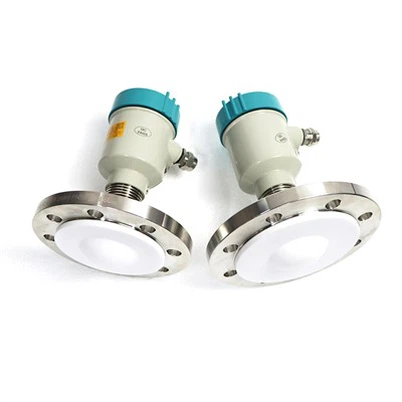
On the other hand, if you're storing liquids, especially in high - temperature environments, Non contact high - temperature radar liquid level measurement might be the way to go. High - temperature liquids can be corrosive and can cause damage to some types of sensors. A non - contact radar level meter can measure the liquid level without coming into direct contact with the liquid, which is a huge plus.
Range and Accuracy
The range of the radar level meter is another important factor. You need to know how far the meter can measure accurately. If your silo is really tall, you'll need a meter with a long range. But don't just go for the longest range you can find. You also need to consider the accuracy.
Accuracy is key when it comes to managing your silo. Even a small error in the level measurement can lead to big problems, like overfilling or running out of stock. So, look for a meter that offers high accuracy within the range you need. For instance, if you have a medium - sized silo, a meter with a range of 10 - 20 meters and an accuracy of ± 3mm might be sufficient.


Environmental Conditions
The environment around your silo can also have a big impact on the performance of your radar level meter. Is the silo located in a dusty area? Does it experience extreme temperatures or high humidity?
If your silo is in a dusty environment, you'll need a meter that can handle dust. Some meters come with special coatings or designs that prevent dust from interfering with the radar signal. Extreme temperatures can also affect the electronics inside the meter. Look for a meter that is designed to work in the temperature range of your silo's location.
Installation and Maintenance
Let's talk about installation and maintenance. You don't want a meter that's a pain in the neck to install. A good radar level meter should be easy to install, with clear instructions and minimal setup time.
Maintenance is also important. You want a meter that doesn't require a lot of upkeep. Some meters are self - cleaning, which is a great feature. This means that you don't have to worry about manually cleaning the sensor regularly, which can save you a lot of time and effort.
Compatibility
Compatibility is another factor that you can't overlook. Does the radar level meter you're considering work with your existing control system? You want a meter that can easily integrate with your current setup. This will make it easier to manage and monitor the level of your silo.
For example, if you already have a system that uses a certain type of communication protocol, make sure the radar level meter is compatible with that protocol. Otherwise, you might have to invest in additional equipment to make it work, which can be costly.
Cost - Benefit Analysis
Of course, cost is always a consideration. But don't just go for the cheapest option. You need to do a cost - benefit analysis. Look at the features, performance, and reliability of the meter, and compare it to the price.
A more expensive meter might offer better accuracy, longer range, and fewer maintenance requirements. In the long run, this can save you money by reducing downtime and improving efficiency. So, think about the big picture when making your decision.
Radar Frequency
The radar frequency of the level meter is also something to think about. Different frequencies have different advantages. For example, higher frequencies like 26GHz are great for measuring small targets and offer better accuracy. They are also less affected by dust and other particles in the air.
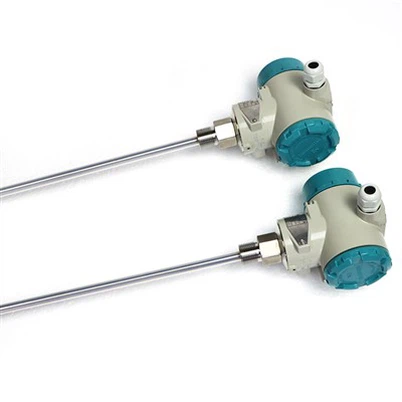
If you're measuring in a tank, Radar tank level measurement with a 26GHz radar frequency might be a good choice. It can provide accurate measurements even in tanks with complex geometries.
Conclusion
Picking the right silo radar level meter is not an easy task. But by considering factors like the type of material in your silo, range, accuracy, environmental conditions, installation and maintenance, compatibility, cost - benefit, and radar frequency, you can make an informed decision.
If you're still not sure which meter is right for you, don't hesitate to reach out. As a supplier of silo radar level meters, I have the expertise and experience to help you find the perfect solution for your silo. Whether you're dealing with grain, liquids, or other materials, I can recommend a meter that meets your specific needs.
So, if you're ready to take the next step and choose the right silo radar level meter for your silo, let's start the conversation. I'm here to assist you every step of the way.
References
- General knowledge about radar level meters in the industry.
- Product specifications and brochures from various manufacturers.