
How much does a Radar Water Level Gauge cost?
Leave a message

Hey there! If you're in the market for a radar water level gauge, you're probably wondering about the cost. Well, you've come to the right place. I'm a supplier of radar water level gauges, and I'm here to break down the factors that influence the price and give you a ballpark idea of what you can expect to pay.
First off, let's talk about what a radar water level gauge is. It's a device that uses radar technology to measure the level of water in a tank, reservoir, or any other body of water. It's a non - contact measurement method, which means it doesn't need to touch the water, making it ideal for a wide range of applications, from industrial water storage to environmental monitoring.
Factors Affecting the Cost
1. Accuracy
One of the biggest factors that affect the cost of a radar water level gauge is its accuracy. Higher accuracy gauges are more expensive because they require more advanced technology and better - calibrated sensors. For instance, if you need a gauge that can measure water levels with an accuracy of ± 1 mm, you'll likely pay more than for a gauge with an accuracy of ± 5 mm. In industrial applications where precise measurements are crucial, such as in chemical processing plants or power generation facilities, the extra cost for high - accuracy gauges is often justified.
2. Range
The measurement range of the gauge also plays a significant role in determining its price. A gauge with a larger measurement range, say from 0 to 50 meters, will cost more than one with a range of 0 to 10 meters. This is because the radar system needs to be more powerful and sensitive to detect signals over longer distances. If you're measuring water levels in a deep reservoir or a tall storage tank, you'll need a gauge with a larger range, and you should be prepared to pay a premium for it.
3. Features
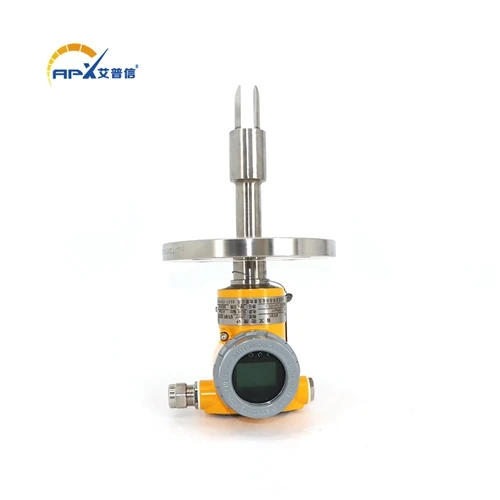
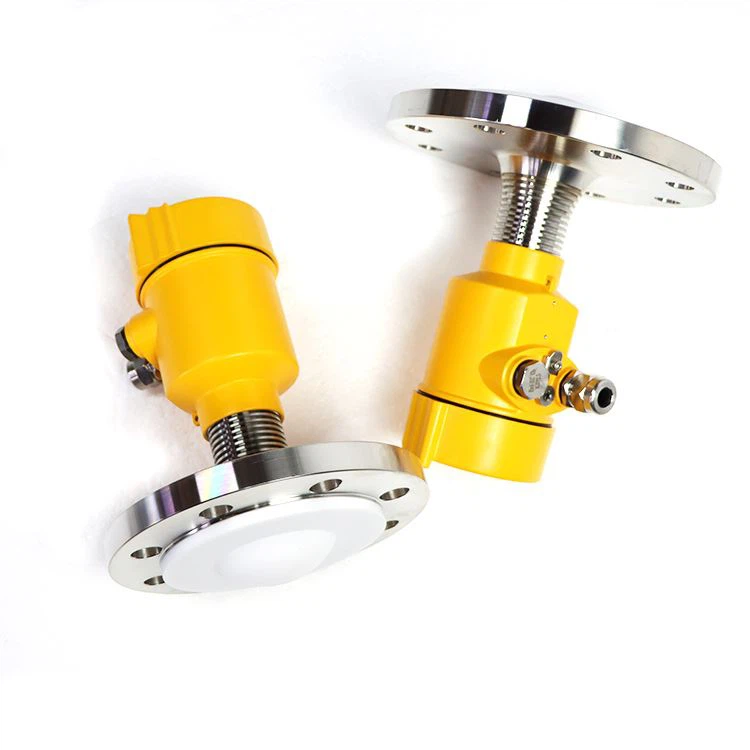
Modern radar water level gauges come with a variety of features, and each additional feature adds to the cost. Some gauges have built - in data loggers that can store measurement data over time, which is useful for long - term monitoring and analysis. Others may have wireless communication capabilities, allowing you to transmit data to a remote location in real - time. There are also gauges with advanced signal processing algorithms that can filter out interference and provide more reliable measurements. For example, the DN100PN16 flange mounted radar level transmitter offers some great features that enhance its functionality and, of course, its price.
4. Brand and Quality
Well - known brands often charge more for their products because they have a reputation for quality and reliability. A gauge from a well - established brand may have better customer support, longer warranties, and more rigorous quality control during the manufacturing process. However, that doesn't mean you can't find a good - quality, affordable gauge from a lesser - known brand. It's important to do your research and read reviews to find a balance between price and quality.

Cost Ranges
Now, let's get into the actual cost ranges. On the lower end of the spectrum, you can find basic radar water level gauges for around $500 - $1,000. These gauges usually have a limited measurement range (up to 10 meters) and a relatively low accuracy (± 5 mm). They're suitable for small - scale applications, such as home rainwater collection tanks or small ponds.
Mid - range gauges, which offer better accuracy (± 2 - 3 mm) and a larger measurement range (up to 20 meters), typically cost between $1,000 and $3,000. These gauges are commonly used in agricultural irrigation systems, small industrial water storage tanks, and local environmental monitoring projects.
For high - end gauges with high accuracy (± 1 mm or better), large measurement ranges (up to 50 meters or more), and advanced features like data logging and wireless communication, you can expect to pay anywhere from $3,000 to $10,000 or more. These gauges are used in large - scale industrial applications, major water treatment plants, and critical environmental monitoring sites.
Comparing Different Types of Radar Water Level Gauges
There are different types of radar water level gauges on the market, and each type has its own cost characteristics.
Radar Level Switch
A Radar level switch is a simple and cost - effective option. It's mainly used to detect whether the water level is above or below a certain set point. These switches are often used in applications where you only need to know if the water level has reached a critical level, such as in sump pumps or small storage tanks. They typically cost between $200 and $800, depending on the brand and features.
Radar Level Transmitter
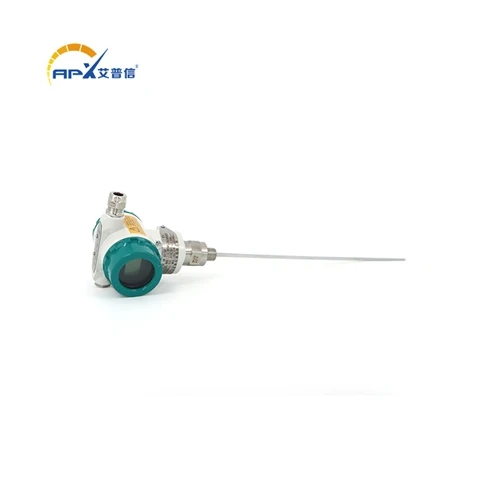
A Radar level transmitter provides continuous level measurement. It can give you a real - time reading of the water level at any given moment. As mentioned earlier, the cost of a radar level transmitter can vary widely depending on accuracy, range, and features. It's a more versatile option compared to the radar level switch and is used in a broader range of applications.
Making the Right Choice
When choosing a radar water level gauge, it's important to consider your specific needs. Don't just go for the cheapest option if you need high - accuracy measurements or a large measurement range. On the other hand, don't overspend on features you don't really need. Make a list of your requirements, such as the required accuracy, measurement range, and any specific features you need, and then compare different models and prices.
Contact for Purchase and Negotiation
If you're interested in purchasing a radar water level gauge, I'd be more than happy to help. As a supplier, I can offer you a wide range of options to suit your budget and requirements. Whether you need a basic gauge for a small project or a high - end gauge for a large - scale industrial application, I've got you covered. Just reach out, and we can have a detailed discussion about your needs and find the best solution for you.
References
- "Radar Level Measurement Technology" - Industrial Instrumentation Handbook
- "Water Level Monitoring: Best Practices and Technologies" - Environmental Monitoring Journal