

How does the moisture content of the material affect the Silo Radar Level Meter?
Leave a message

Hey there! As a supplier of Silo Radar Level Meters, I've seen firsthand how various factors can impact the performance of these nifty devices. One factor that often doesn't get as much attention as it should is the moisture content of the material inside the silo. In this blog, I'm gonna break down how moisture content can affect a Silo Radar Level Meter and why it's crucial to understand this relationship.
First off, let's quickly go over how a Silo Radar Level Meter works. These meters use radar technology to measure the distance between the sensor and the surface of the material in the silo. They send out electromagnetic waves that bounce off the material's surface and then calculate the time it takes for the waves to return. Based on this time, the meter can accurately determine the level of the material in the silo.
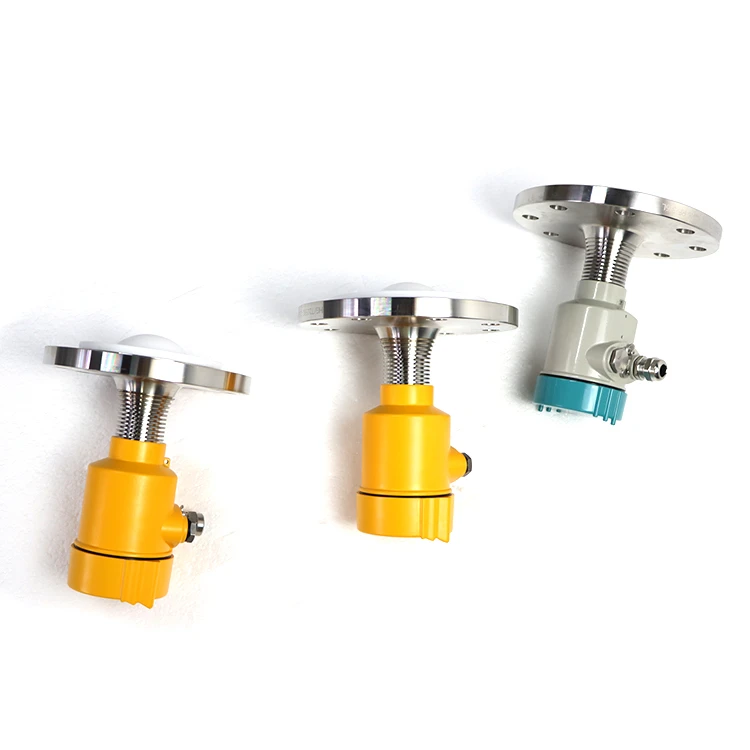
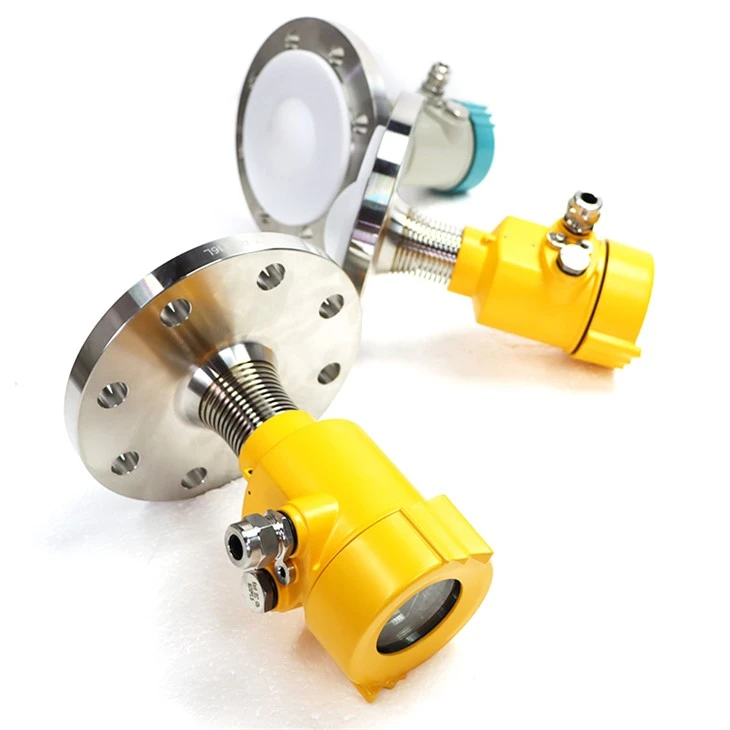
Now, let's dive into how moisture content comes into play. When the material in the silo has a high moisture content, it can significantly change the way the radar waves interact with the material. Moisture is a good conductor of electricity, and this can cause the radar waves to be absorbed or scattered more than they would in a dry material.
One of the main effects of high moisture content is signal attenuation. Signal attenuation means that the strength of the radar signal decreases as it passes through the material. When there's a lot of moisture in the material, the radar waves lose more energy as they travel through it. This can make it harder for the Silo Radar Level Meter to receive a strong enough signal back from the material's surface. As a result, the meter might have trouble accurately measuring the level, leading to inaccurate readings.
Another issue is that high moisture content can cause the material to form clumps or agglomerates. These clumps can create uneven surfaces inside the silo. When the radar waves hit these uneven surfaces, they scatter in different directions. This scattering makes it difficult for the meter to determine the true distance to the material's surface. Instead of getting a clear, direct reflection, the meter might receive multiple, weaker reflections from different parts of the clumps. This can lead to inconsistent and unreliable level measurements.
On the flip side, low moisture content also has its own set of challenges. In very dry materials, the radar waves might pass through the material more easily, but they might not get a strong enough reflection if the material is too fine or powdery. Dry materials can sometimes have a low dielectric constant, which means they don't interact strongly with the radar waves. This can result in a weak return signal, similar to what happens with high moisture content.
So, how can we deal with these issues? Well, one solution is to choose the right type of Silo Radar Level Meter for the specific material and its moisture content. For materials with high moisture content, we might recommend a radar level meter with a higher power output. A more powerful radar signal can better penetrate the moist material and still receive a strong enough reflection.
We also offer different types of antennas for our Silo Radar Level Meters. For example, an Anti corrosion high - temperature antenna water level radar sensor can be more effective in dealing with moist and potentially corrosive materials. This type of antenna is designed to withstand harsh conditions and can help ensure a better signal transmission and reception.
In some cases, we might suggest using a DN100PN16 flange mounted radar level transmitter. This type of transmitter is installed using a flange, which can provide a more stable and secure mounting. It's also designed to be suitable for a wide range of materials, including those with varying moisture contents.
If you're dealing with water - level measurements in situations where moisture is obviously a major factor, our Radar type water level sensor can be a great option. It's specifically designed to accurately measure water levels, taking into account the unique properties of water and how it interacts with radar waves.
As a Silo Radar Level Meter supplier, we understand that every application is different. That's why we work closely with our customers to understand their specific needs. We can provide customized solutions based on the type of material, its moisture content, and the operating conditions of the silo.
If you're having trouble with your current Silo Radar Level Meter due to moisture - related issues, or if you're looking to purchase a new one, don't hesitate to reach out. We're here to help you find the best solution for your needs. Whether it's choosing the right product or providing technical support, we've got you covered. Contact us to start a discussion about your requirements and let's work together to ensure accurate and reliable level measurements in your silos.
References
- Radar Level Measurement Handbook, Emerson Process Management
- Principles of Radar Level Measurement, Siemens AG
- Level Measurement Technologies, Honeywell International Inc.





