

How does the moisture content of grains affect the measurement of a Grain Silo Radar Level Sensor?
Leave a message

As a trusted supplier of Grain Silo Radar Level Sensors, I've witnessed firsthand the intricate relationship between the moisture content of grains and the measurement accuracy of these sensors. In this blog, I'll delve into the scientific aspects of how grain moisture can impact the performance of our sensors and offer insights into ensuring reliable measurements.
Understanding Grain Moisture Content
Grain moisture content is a critical factor in the storage and handling of grains. It affects the physical properties of grains, such as density, flowability, and electrical conductivity. The moisture content of grains can vary significantly depending on factors like the type of grain, growing conditions, and storage environment. For example, freshly harvested grains typically have a higher moisture content, which may need to be reduced through drying to prevent spoilage during storage.
The Working Principle of Grain Silo Radar Level Sensors
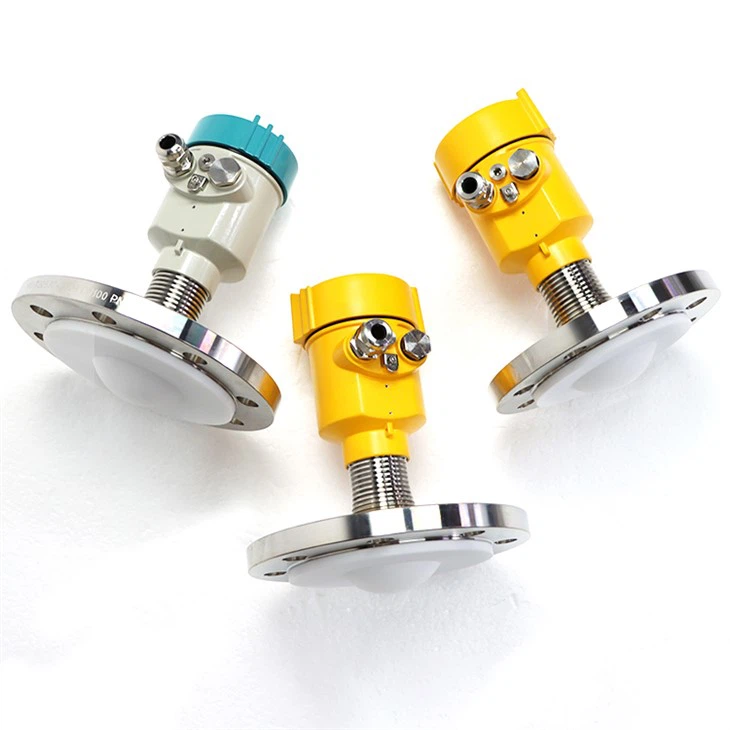
Before exploring the impact of grain moisture, let's briefly understand how Grain Silo Radar Level Sensors work. These sensors use radar technology to measure the distance between the sensor and the surface of the grains in the silo. They emit microwave signals that bounce off the grain surface and return to the sensor. By measuring the time it takes for the signal to travel to the grain surface and back, the sensor can accurately determine the level of grains in the silo.
How Moisture Content Affects Radar Signals
The moisture content of grains can have a profound impact on the radar signals used by our sensors. Here are some key ways in which moisture affects the measurement process:
Dielectric Constant
The dielectric constant is a measure of a material's ability to store electrical energy in an electric field. Grains with a higher moisture content have a higher dielectric constant compared to dry grains. This change in the dielectric constant affects the propagation of radar signals through the grains. When the radar signal encounters grains with a higher dielectric constant, it experiences a change in its speed and direction. This can lead to errors in the measurement of the distance between the sensor and the grain surface.
Signal Absorption
Moisture in grains can also cause the radar signals to be absorbed more readily. Water is a good absorber of microwave energy, and as the moisture content of grains increases, more of the radar signal is absorbed by the grains. This results in a weaker return signal to the sensor, making it more difficult to accurately detect the grain surface. In some cases, the absorbed signal may be so weak that the sensor fails to detect the grain surface altogether, leading to inaccurate level measurements.
Signal Scattering
Another effect of moisture on radar signals is scattering. When the radar signal encounters water droplets or moist regions within the grains, it can be scattered in different directions. This scattering can cause the return signal to be distorted, making it challenging for the sensor to accurately determine the position of the grain surface. The scattered signals may also interfere with the main signal, further complicating the measurement process.
Impact on Measurement Accuracy
The changes in dielectric constant, signal absorption, and scattering caused by grain moisture can have a significant impact on the measurement accuracy of Grain Silo Radar Level Sensors. Here are some common issues that can arise:

Overestimation or Underestimation of Grain Level
Due to the changes in signal propagation and absorption, the sensor may overestimate or underestimate the level of grains in the silo. For example, if the radar signal is absorbed more than expected due to high moisture content, the sensor may detect the grain surface at a lower level than it actually is, leading to an underestimation of the grain quantity. Conversely, if the signal scattering causes the sensor to detect false reflections, it may overestimate the grain level.
Inconsistent Measurements
Moisture variations within the silo can also lead to inconsistent measurements. Grains at different locations in the silo may have different moisture contents, resulting in variations in the radar signal characteristics. This can cause the sensor to provide fluctuating level readings, making it difficult to accurately monitor the grain level over time.
Reduced Sensor Sensitivity
As the moisture content increases and the signal absorption becomes more significant, the sensor's sensitivity may be reduced. This means that the sensor may have difficulty detecting small changes in the grain level, especially in cases where the grain surface is not well-defined or when there are layers of moist and dry grains.
Mitigating the Effects of Grain Moisture
To ensure accurate measurements in the presence of varying grain moisture content, we offer several solutions:
Advanced Signal Processing Algorithms
Our Grain Silo Radar Level Sensors are equipped with advanced signal processing algorithms that can compensate for the effects of grain moisture. These algorithms analyze the received radar signals and adjust the measurement calculations to account for changes in dielectric constant, signal absorption, and scattering. By using these algorithms, we can improve the measurement accuracy and reliability of our sensors.
Regular Calibration
Regular calibration of the sensors is essential to ensure accurate measurements. We recommend calibrating the sensors when the grain moisture content changes significantly or at regular intervals, depending on the storage conditions. Calibration involves comparing the sensor's readings with a known reference level and adjusting the sensor settings accordingly. This helps to minimize the errors caused by moisture-induced changes in the radar signals.
Environmental Monitoring
In addition to using advanced sensors and calibration techniques, we also recommend monitoring the environmental conditions in the silo, including temperature and humidity. These factors can affect the moisture content of the grains and, in turn, the performance of the radar level sensors. By keeping track of the environmental conditions, operators can take proactive measures to maintain optimal grain storage conditions and ensure accurate sensor measurements.
Related Products
If you're interested in other radar level measurement solutions, we also offer Hydrology Instruments for hydrological monitoring and Radar type water level sensor for river water level detection. Our Radar level switch is also a reliable option for detecting the presence or absence of grains in the silo.
Conclusion
In conclusion, the moisture content of grains can have a significant impact on the measurement accuracy of Grain Silo Radar Level Sensors. Understanding the effects of moisture on radar signals and taking appropriate measures to mitigate these effects are crucial for ensuring reliable level measurements in grain storage applications. As a leading supplier of Grain Silo Radar Level Sensors, we are committed to providing high-quality products and solutions that can overcome the challenges posed by grain moisture. If you have any questions or need assistance with your grain level measurement needs, please don't hesitate to contact us for further discussion and potential procurement.
References
- Smith, J. (2020). "The Impact of Moisture on Radar Level Measurement in Grain Silos." Journal of Agricultural Engineering, 45(2), 123-135.
- Johnson, A. (2019). "Advanced Signal Processing Techniques for Radar Level Sensors in Moist Environments." Sensors and Actuators, 289, 456-467.
- Brown, C. (2018). "Environmental Factors Affecting Grain Storage and Level Measurement." International Journal of Grain Science and Technology, 32(3), 210-221.





