
How does the material of the tuning fork affect the sensor's performance?
Leave a message

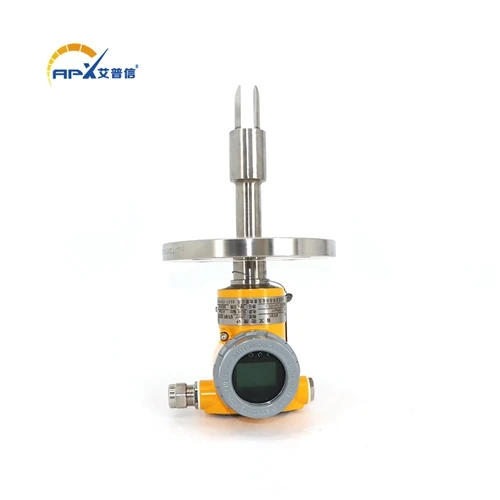
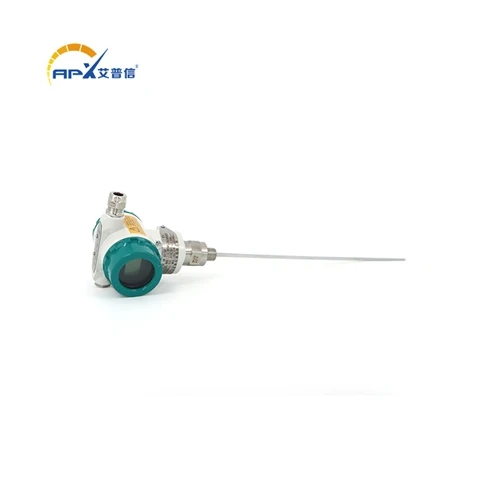
Tuning fork level sensors are widely used in various industries for detecting the level of liquids and solids. As a supplier of Tuning Fork Level Sensors, I often encounter questions from customers about how the material of the tuning fork affects the sensor's performance. In this blog post, I will delve into this topic, analyzing the relationship between the tuning fork material and the sensor's performance based on scientific principles and practical experiences.
The Basics of Tuning Fork Level Sensors
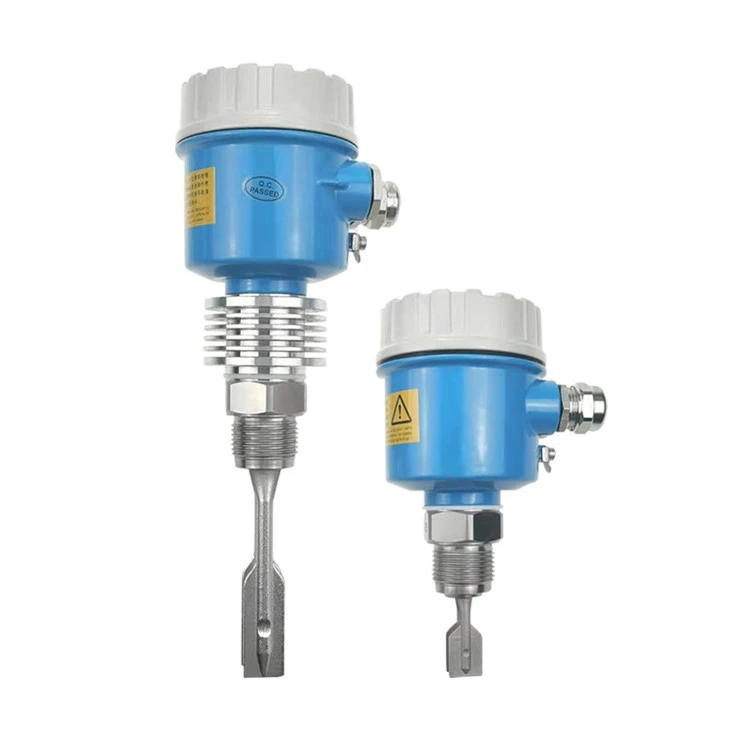
Before discussing the impact of tuning fork materials, it's essential to understand how tuning fork level sensors work. These sensors operate on the principle of vibration. A tuning fork is set into vibration at its natural frequency. When the fork comes into contact with a liquid or solid, the vibration frequency changes due to the damping effect of the medium. The sensor detects this frequency change and triggers an output signal, indicating the presence or absence of the medium at the sensor location.
Key Properties of Tuning Fork Materials
The performance of a tuning fork level sensor is closely related to several key properties of the tuning fork material, including density, elasticity, corrosion resistance, and temperature resistance.
Density
Density affects the natural frequency of the tuning fork. A material with a higher density generally results in a lower natural frequency. This can influence the sensitivity of the sensor. For example, if the density is too high, the sensor may be less responsive to small changes in the medium, leading to reduced accuracy in level detection.

Elasticity
Elasticity is crucial for maintaining the stability of the tuning fork's vibration. A material with good elasticity can quickly return to its original shape after being deformed by the contact with the medium. This ensures that the tuning fork can vibrate consistently and accurately detect the level changes. Materials with poor elasticity may experience permanent deformation over time, which can degrade the sensor's performance.
Corrosion Resistance
In many industrial applications, the tuning fork level sensor may be exposed to corrosive substances. Therefore, the corrosion resistance of the tuning fork material is of great importance. Corrosion can damage the surface of the tuning fork, alter its physical properties, and ultimately affect the sensor's performance. For instance, if the tuning fork is made of a material that is not corrosion-resistant, it may develop pits or cracks, which can change the vibration characteristics and lead to false readings.
Temperature Resistance
Temperature variations can also have a significant impact on the performance of the tuning fork level sensor. Different materials have different coefficients of thermal expansion. A material with a high coefficient of thermal expansion may expand or contract significantly with temperature changes, which can affect the natural frequency of the tuning fork. This can cause errors in level detection, especially in applications where the temperature fluctuates widely.
Common Materials Used for Tuning Forks and Their Impact on Performance
Stainless Steel
Stainless steel is one of the most commonly used materials for tuning forks in level sensors. It offers several advantages. Firstly, it has good corrosion resistance, making it suitable for use in a wide range of industrial environments, including those with mild to moderate corrosive substances. Secondly, stainless steel has relatively high elasticity, which helps to maintain the stability of the tuning fork's vibration. However, its density is relatively high, which may slightly reduce the sensor's sensitivity compared to some other materials.
Titanium
Titanium is another popular choice for tuning fork level sensors. It has a low density, which allows for a higher natural frequency and potentially greater sensitivity. Titanium also has excellent corrosion resistance, even in highly corrosive environments such as those containing strong acids or alkalis. Additionally, it has good temperature resistance, making it suitable for high-temperature applications. However, titanium is more expensive than stainless steel, which may be a consideration for cost-sensitive projects.
Plastic
Plastic materials are sometimes used for tuning forks in certain applications. They are lightweight, which can result in a high natural frequency and good sensitivity. Plastic is also resistant to many chemicals, making it suitable for use in some corrosive environments. However, plastic may have lower mechanical strength and temperature resistance compared to metal materials. It may also be more prone to wear and tear over time, which can affect the long-term performance of the sensor.
Impact on Different Types of Tuning Fork Level Sensors
Relay water level, tuning fork liquid level switch
For Relay water level, tuning fork liquid level switch, the choice of tuning fork material is crucial for accurate level detection. In applications where the liquid is corrosive, such as in chemical processing plants, a corrosion-resistant material like titanium or a special stainless steel alloy is preferred. If the liquid has a high viscosity, a material with good elasticity is needed to ensure that the tuning fork can vibrate freely and detect the level changes accurately.
High temperature liquid Tuning Fork Level Sensor
In High temperature liquid Tuning Fork Level Sensor, temperature resistance is the primary concern. Materials like titanium or high-temperature alloys are often used. These materials can maintain their mechanical properties and vibration characteristics at high temperatures, ensuring the reliable operation of the sensor.
100 ℃ high temperature explosion-proof Vibration level sensor
The 100 ℃ high temperature explosion-proof Vibration level sensor requires a tuning fork material that can withstand both high temperatures and potential explosive environments. Specialized materials with high temperature resistance and good mechanical strength are selected to ensure the safety and performance of the sensor.
Conclusion and Call to Action
In conclusion, the material of the tuning fork has a significant impact on the performance of the tuning fork level sensor. By carefully selecting the appropriate material based on the specific application requirements, such as the type of medium, temperature, and corrosiveness, customers can ensure the accuracy, reliability, and longevity of the sensor.
As a professional Tuning Fork Level Sensor supplier, we have extensive experience in providing high-quality sensors with different tuning fork materials to meet various industrial needs. If you are interested in our products or have any questions about tuning fork level sensors, please feel free to contact us for further discussion and procurement negotiation.
References
- White, J. (2015). Industrial Sensor Technology. Elsevier.
- Smith, A. (2018). Principles of Level Measurement. CRC Press.