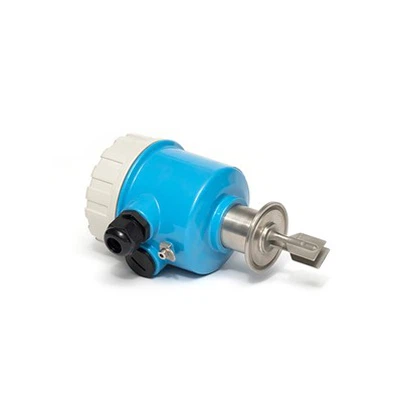

How does the density of the medium affect Tuning Fork Level Sensors?
Leave a message

Hey there! As a supplier of Tuning Fork Level Sensors, I've been getting a lot of questions lately about how the density of the medium affects these sensors. So, I thought I'd write a blog post to clear things up.
Let's start with the basics. Tuning fork level sensors work based on the principle of vibration. The sensor has a fork that vibrates at a certain frequency when there's no medium around it. When the fork comes into contact with a medium, the vibration changes, and this change is detected to indicate the presence or absence of the medium.
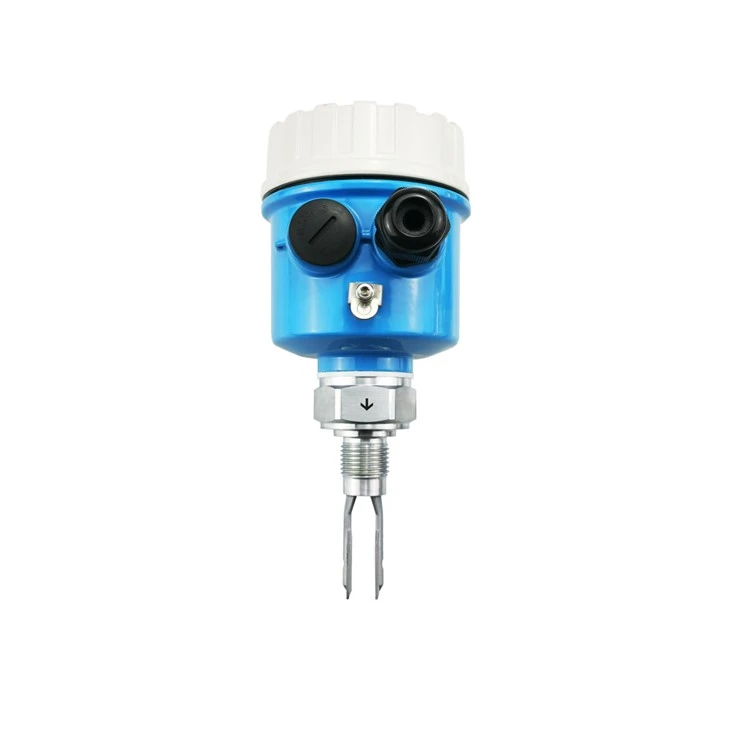
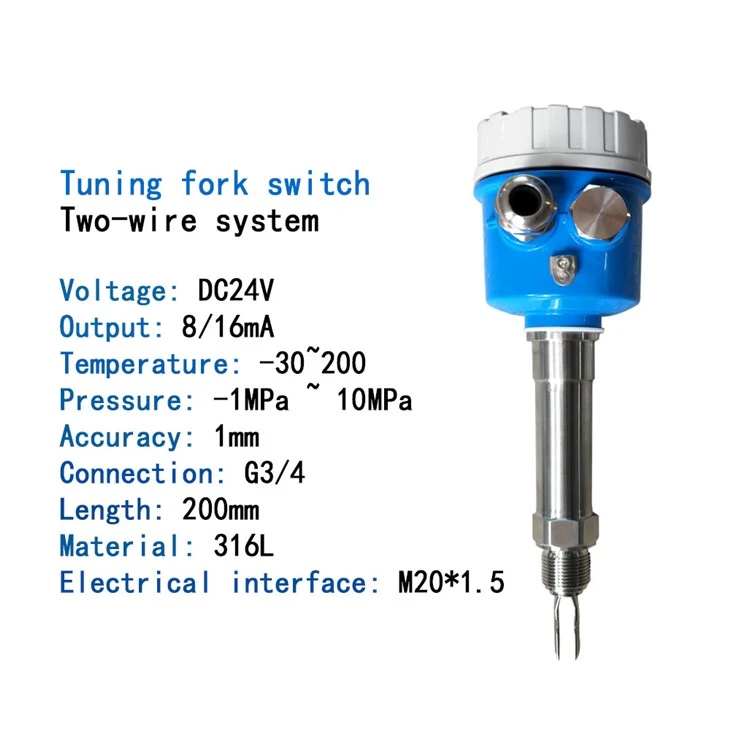
Now, the density of the medium plays a crucial role in how these sensors operate. You see, a denser medium has more mass per unit volume. When the tuning fork is immersed in a denser medium, it has to work harder to keep vibrating. This is because the denser medium offers more resistance to the movement of the fork.
Think of it like trying to move your hand through water versus honey. Water is less dense, so it's easier to move your hand through it. Honey, on the other hand, is denser, and you'll feel more resistance when you try to move your hand. The same concept applies to tuning fork level sensors.
When the medium is denser, the vibration frequency of the tuning fork decreases. The sensor is calibrated to detect this change in frequency. If the decrease in frequency crosses a certain threshold, the sensor will trigger an alarm or send a signal indicating that the medium has reached the level of the fork.
But here's the thing. Different tuning fork level sensors have different sensitivities to density changes. Some sensors are designed to work well with a wide range of densities, while others are more specialized.
For example, if you're dealing with a liquid that has a relatively low density, like gasoline, you might need a sensor that can accurately detect the change in vibration even with a small amount of resistance. On the other hand, if you're working with a very dense liquid, such as molasses, the sensor needs to be able to handle the significant resistance without malfunctioning.
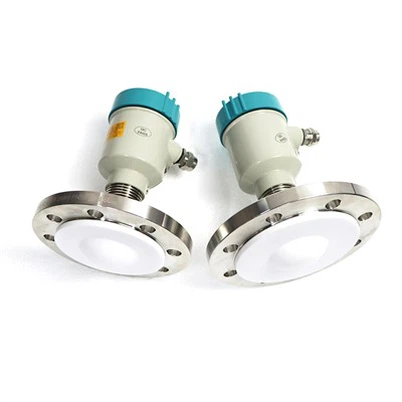
We offer a variety of tuning fork level sensors to meet different density requirements. Our Standard fork length 100mm DN50 flange water level alarm sensor is a great option for general-purpose applications. It can handle a decent range of densities and is suitable for water and many other common liquids.
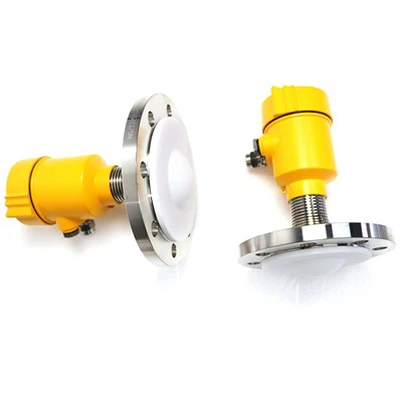
If you need something more customized, our Customized aluminum shell tuning fork horizontal switch can be tailored to your specific density needs. We can adjust the sensor's parameters to ensure accurate detection in a medium with a particular density.
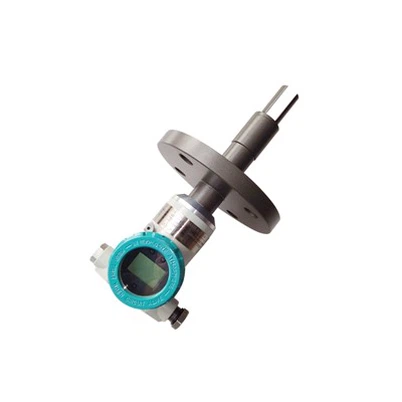
Another option is our DPDT output tuning fork level switch. This switch is known for its high precision and can be very effective in detecting density changes in different media.
It's also important to note that temperature can affect the density of the medium. As the temperature changes, the density of the liquid or solid can either increase or decrease. This means that the performance of the tuning fork level sensor can be influenced by temperature as well.
For instance, if you're using a sensor in a process where the temperature fluctuates, you need to make sure the sensor can compensate for these density changes. Some of our sensors come with built-in temperature compensation features to ensure accurate readings even when the temperature varies.
When choosing a tuning fork level sensor, you need to consider the density range of the medium you'll be working with. You should also think about the accuracy requirements of your application. If you need very precise level detection, you might want to opt for a more sensitive sensor.
In addition to density and temperature, the viscosity of the medium can also have an impact on the sensor's performance. A highly viscous medium can stick to the fork and dampen its vibration more than a less viscous one. This can lead to false readings or inaccurate level detection.
Our sensors are designed to minimize the effects of viscosity. We use special materials and coatings on the forks to reduce the adhesion of viscous substances. This helps to ensure that the sensor can accurately detect the level even in sticky or thick media.
To sum it up, the density of the medium is a key factor that affects the performance of tuning fork level sensors. By understanding how density works and choosing the right sensor for your application, you can ensure reliable and accurate level detection.
If you're in the market for a tuning fork level sensor and have questions about how density might affect your specific needs, don't hesitate to reach out. We're here to help you find the perfect sensor for your project. Whether you need a standard sensor or a customized one, we've got you covered.
So, if you're interested in learning more or want to start a procurement discussion, just let us know. We'll be happy to work with you to find the best solution for your tuning fork level sensing requirements.
References
- "Level Measurement Handbook" by Endress+Hauser
- "Industrial Sensors: Principles, Characteristics, and Applications" by John G. Webster