
How do you clean a capacitive switch?
Leave a message

Capacitive switches are widely used in various industries due to their high sensitivity, reliability, and long lifespan. As a supplier of capacitive switches, I often receive inquiries about how to clean these devices properly. In this blog post, I will share some effective methods and precautions for cleaning capacitive switches.
Understanding Capacitive Switches
Before we delve into the cleaning process, it's essential to understand how capacitive switches work. Capacitive switches operate based on the principle of capacitance change. When an object, such as a finger, approaches the switch, it alters the capacitance of the sensor, triggering the switch. These switches are commonly found in applications like touchscreens, level sensors, and industrial control systems.
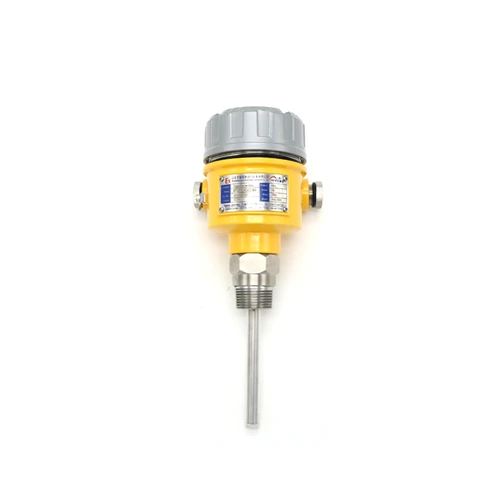
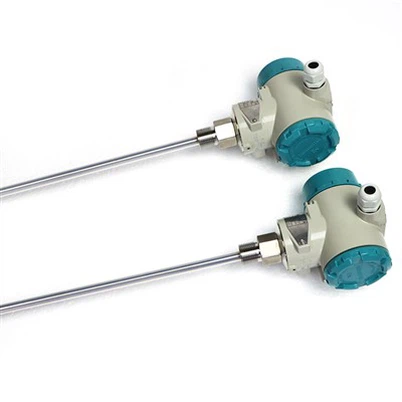
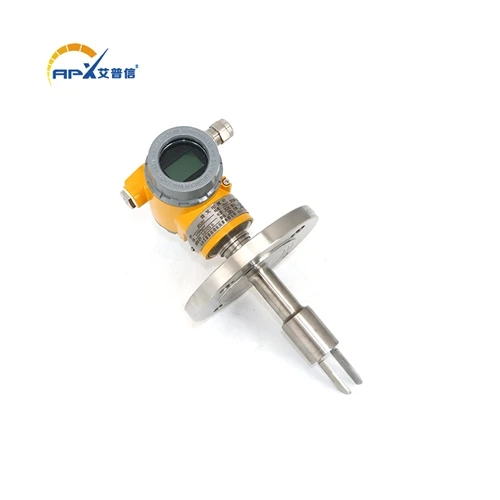
There are different types of capacitive switches available in the market. For example, the Capacitance point level switch is used to detect the level of liquids or solids in a container. The 4 - 20mA capacitive water level gauge provides a continuous measurement of the water level and outputs a signal in the 4 - 20mA range. The Capacitance Type Level Switch is another popular option for level detection in industrial settings.
Why Cleaning is Necessary
Over time, capacitive switches can accumulate dust, dirt, grease, and other contaminants. These deposits can interfere with the switch's sensitivity and performance. For instance, a thick layer of dust on the sensor surface can reduce the capacitance change when an object approaches, leading to false triggering or non - response. In industrial environments, exposure to chemicals or harsh substances can also corrode the switch components, shortening its lifespan. Regular cleaning can help maintain the switch's optimal performance and extend its service life.
Pre - cleaning Precautions
- Power Off: Before starting the cleaning process, always turn off the power supply to the capacitive switch. This prevents any electrical shock and protects the switch from damage caused by short - circuits during cleaning.
- Read the Manual: Different capacitive switches may have specific cleaning requirements. Refer to the product manual provided by the manufacturer for detailed instructions and any precautions related to cleaning.
- Gather the Right Tools: You will need a few basic tools for cleaning, such as a soft brush, lint - free cloth, and a suitable cleaning solution. Avoid using abrasive materials that can scratch the sensor surface.
Cleaning Steps
Step 1: Remove Loose Debris
Use a soft brush, such as a paintbrush or a compressed air canister, to gently remove any loose dust, dirt, or debris from the surface of the capacitive switch. Start from the edges and work your way towards the center. Be careful not to apply too much pressure, as this can damage the delicate sensor components.

Step 2: Prepare the Cleaning Solution
For general cleaning, a mild detergent solution can be used. Mix a small amount of mild dish soap with warm water in a clean container. Avoid using harsh chemicals, solvents, or abrasive cleaners, as they can damage the switch's protective coating and electrical components.
Step 3: Clean the Surface
Dip a lint - free cloth into the cleaning solution and wring it out thoroughly to ensure it is only slightly damp. Gently wipe the surface of the capacitive switch in a circular motion. Pay special attention to areas where dirt and grime are concentrated. If there are stubborn stains, you can let the damp cloth sit on the stain for a few minutes to loosen it before wiping.
Step 4: Rinse (if necessary)
If you used a detergent solution, you may need to rinse the switch to remove any residue. Use a clean, damp cloth wrung out in clean water to gently wipe the surface. Make sure to remove all traces of the cleaning solution.
Step 5: Dry the Switch
After cleaning and rinsing, use a dry, lint - free cloth to gently dry the capacitive switch. Allow the switch to air - dry completely before reconnecting the power supply. This helps prevent any moisture from causing electrical problems.
Special Considerations for Different Environments
Industrial Environments
In industrial settings, capacitive switches may be exposed to heavy dust, oil, and chemicals. In such cases, more frequent cleaning may be required. For switches exposed to oil or grease, a degreaser specifically designed for electrical components can be used. However, make sure to follow the manufacturer's instructions and test the degreaser on a small, inconspicuous area first.
Humid Environments
In humid environments, moisture can accumulate on the surface of the capacitive switch, leading to corrosion and reduced performance. In addition to regular cleaning, it may be necessary to use a desiccant or install the switch in a sealed enclosure to protect it from moisture.
Food and Beverage Industry
Capacitive switches used in the food and beverage industry need to meet strict hygiene standards. In addition to regular cleaning, these switches should be sanitized periodically. Use a food - grade sanitizer recommended by the manufacturer and follow the proper sanitization procedures.
Troubleshooting After Cleaning
After cleaning the capacitive switch, test its functionality. If the switch still does not work properly, there may be other issues, such as a damaged sensor or a faulty electrical connection. In such cases, it is recommended to contact a professional technician or the manufacturer's customer support for further assistance.

Conclusion
Proper cleaning of capacitive switches is crucial for maintaining their performance and extending their lifespan. By following the steps and precautions outlined in this blog post, you can ensure that your capacitive switches continue to operate reliably. As a supplier of capacitive switches, we are committed to providing high - quality products and comprehensive technical support. If you have any questions about capacitive switches or need further advice on cleaning and maintenance, please feel free to contact us for procurement and further discussions.
References
- "Capacitive Sensing Technology: Principles and Applications" - A technical guide on capacitive sensing technology.
- Manufacturer's product manuals for capacitive switches.