
Can capacitive switches be used in wet environments?
Leave a message

Hey there! As a supplier of capacitive switches, I often get asked this question: "Can capacitive switches be used in wet environments?" Well, let's dive right into it and explore the ins and outs of using capacitive switches in such conditions.
First off, let's understand what capacitive switches are. Capacitive switches work based on the principle of capacitance, which is the ability of a system to store an electric charge. When you bring your finger or any conductive object close to the switch, it changes the capacitance of the sensor, and this change is detected to trigger an action. These switches are popular for their sleek design, durability, and high - sensitivity.
Now, the big question: wet environments. Wet conditions can be a real challenge for electronic components, and capacitive switches are no exception. Water is a conductor of electricity, and when it comes into contact with a capacitive switch, it can cause false triggering. The presence of water on the surface of the switch can change the capacitance in an unpredictable way, making the switch act erratically.
However, it doesn't mean that capacitive switches can't be used in wet environments at all. There are ways to make them work reliably in such conditions.
Design Considerations for Wet Environments
One of the key factors is the design of the capacitive switch. Specialized coatings can be applied to the surface of the switch to make it water - resistant. These coatings act as a barrier between the water and the sensitive components of the switch, preventing water from interfering with the capacitance detection. For example, hydrophobic coatings can repel water, keeping the surface of the switch dry even in a wet environment.
Another important aspect is the layout of the electrodes in the capacitive switch. By carefully designing the electrode pattern, manufacturers can minimize the impact of water on the capacitance measurement. Some advanced designs use multiple electrodes and complex algorithms to distinguish between the presence of a finger and the presence of water. This way, the switch can accurately detect a real touch even when there is water around.
Applications in Wet Environments
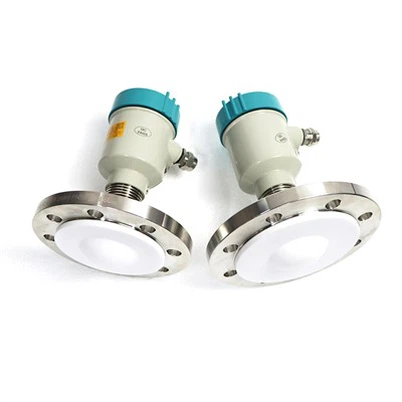
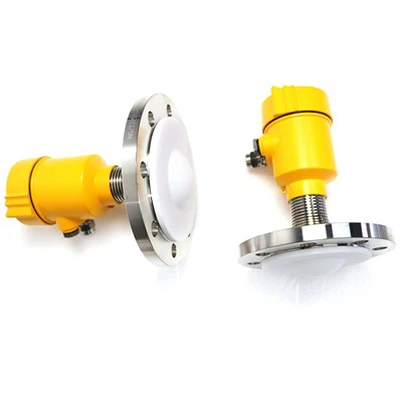
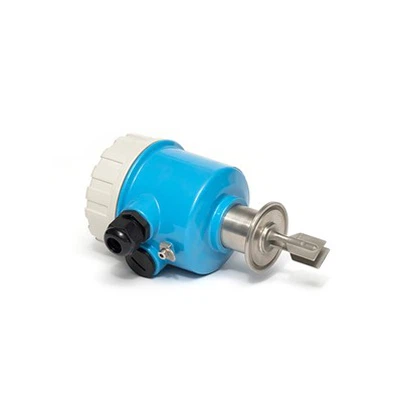
Despite the challenges, there are many applications where capacitive switches are used in wet environments. For instance, in the Intelligent Industry Radio Frequency RF Admittance Capacitance Level Switch level measurement, capacitive switches can be used to detect the level of liquids. These switches need to work reliably even when they are in contact with the liquid they are measuring.
In the food and beverage industry, where hygiene is of utmost importance, capacitive switches are often used in wet areas such as washdown stations. They can be designed to be easy to clean and resistant to water, making them suitable for these environments.
Testing and Validation
Before a capacitive switch can be used in a wet environment, it needs to go through rigorous testing. Manufacturers need to simulate different wet conditions in the laboratory to ensure that the switch works as expected. This includes testing the switch in different levels of humidity, water spray, and even full immersion in some cases.
The switch should also be tested for long - term reliability. Continuous exposure to water can cause corrosion and other damage to the components over time. So, manufacturers need to ensure that the switch can withstand these conditions without losing its functionality.
Advantages of Using Capacitive Switches in Wet Environments
Even with the challenges, there are some significant advantages to using capacitive switches in wet environments. They offer a more modern and sleek look compared to traditional mechanical switches. They are also more durable, as they have no moving parts that can wear out over time.
Capacitive switches can also provide better hygiene. In wet environments where bacteria and other contaminants can easily accumulate, a smooth, touch - sensitive surface is easier to clean than a mechanical switch with crevices and moving parts.
Different Types of Capacitive Switches for Wet Use
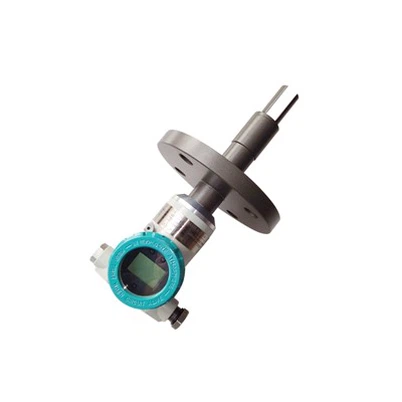
There are different types of capacitive switches that are better suited for wet environments. For example, the 4 - 20mA capacitive water level gauge is specifically designed to measure the level of water or other liquids. It uses a 4 - 20mA current loop to transmit the level information, which is a reliable and widely used method in industrial applications.
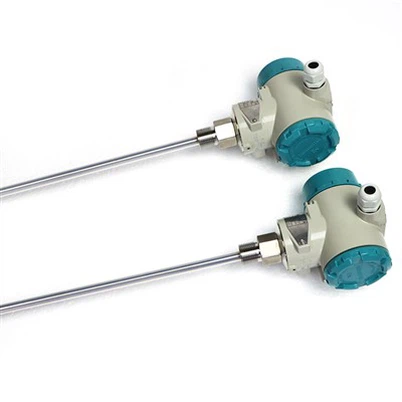
The Non contact capacitive liquid level sensor is another option. It can detect the level of a liquid without actually coming into contact with it. This is especially useful in wet environments where direct contact with the liquid might cause damage to the sensor.
Cost - Benefit Analysis
When considering using capacitive switches in wet environments, it's important to do a cost - benefit analysis. The initial cost of a specialized capacitive switch designed for wet use might be higher than a regular switch. However, when you factor in the long - term benefits such as durability, reliability, and ease of maintenance, it can be a cost - effective solution in the long run.
Future Developments
The technology behind capacitive switches is constantly evolving. In the future, we can expect to see even more advanced designs that are better suited for wet environments. New materials and manufacturing techniques will be developed to improve the water - resistance and performance of these switches.
Conclusion
So, to answer the question "Can capacitive switches be used in wet environments?", the answer is yes, but with some considerations. With the right design, testing, and application, capacitive switches can work reliably in wet conditions. They offer many advantages over traditional switches, and as technology advances, their use in wet environments is likely to become even more widespread.
If you're interested in using capacitive switches in your wet - environment applications, I'd love to have a chat with you. I can provide you with more detailed information about our products and how they can meet your specific needs. Don't hesitate to reach out and start a conversation about your requirements. We're here to help you find the best capacitive switch solution for your project.