

Can capacitive switches be used in consumer electronics?
Leave a message

Can capacitive switches be used in consumer electronics?
In the dynamic landscape of consumer electronics, the quest for innovative and user - friendly interfaces is never - ending. Capacitive switches have emerged as a compelling option, and as a capacitive switch supplier, I am excited to explore their potential applications in this field.
Capacitive switches operate on the principle of capacitance change. When a conductive object, such as a human finger, approaches the switch, it alters the capacitance of the sensing element. This change is then detected by the switch's internal circuitry, which triggers an action. This technology offers several advantages that make it highly suitable for consumer electronics.
One of the most significant benefits of capacitive switches is their sleek and modern appearance. Unlike traditional mechanical switches, which often have visible moving parts, capacitive switches can be integrated into smooth, flat surfaces. This design flexibility allows consumer electronics manufacturers to create devices with a minimalist and elegant aesthetic. For example, smartphones with capacitive touchscreens have become the norm, offering a seamless and visually appealing user experience. The absence of physical buttons not only makes the device look more sophisticated but also reduces the risk of mechanical wear and tear.
In terms of durability, capacitive switches outshine their mechanical counterparts. Mechanical switches have physical components that can break, wear out, or become clogged with dust and debris over time. Capacitive switches, on the other hand, have no moving parts. This means they are less prone to failure due to mechanical stress. They can withstand a large number of actuations without degradation in performance, making them ideal for high - usage consumer electronics. For instance, in a gaming console controller, where the buttons are pressed thousands of times during gameplay, a capacitive switch would ensure long - term reliability.
Another advantage is the high level of sensitivity that capacitive switches offer. They can detect even the slightest touch or proximity, enabling precise and responsive user interactions. This is particularly important in devices where accurate input is crucial, such as tablets and laptops. With capacitive switches, users can perform tasks like drawing, typing, and navigating with ease. Moreover, capacitive switches can be adjusted to different levels of sensitivity, allowing manufacturers to customize the user experience according to the specific requirements of the device.
Capacitive switches also provide enhanced hygiene. In the current era, where health and safety are of utmost concern, the fact that capacitive switches can be operated without direct physical contact is a major plus. For example, in public kiosks or touch - controlled appliances, users can interact with the device by simply hovering their fingers over the switch. This reduces the spread of germs and viruses, making the devices safer for shared use.
Now, let's look at some specific applications of capacitive switches in consumer electronics.
In the audio industry, capacitive switches are being used in headphones and earbuds. They allow for seamless control of functions such as volume adjustment, play/pause, and track skipping. The touch - sensitive nature of capacitive switches provides a more intuitive and convenient way for users to interact with their audio devices. Additionally, the small size of capacitive switches makes them easy to integrate into the compact design of headphones and earbuds.
In home appliances, capacitive switches are becoming increasingly popular. For example, in smart refrigerators, capacitive touch panels can be used to control temperature settings, access the built - in display, and operate other features. The sleek appearance of capacitive switches complements the modern design of smart home appliances, while their durability ensures long - term performance.
In the automotive industry, capacitive switches are finding their way into car interiors. They can be used for controlling the infotainment system, adjusting the climate control, and operating other functions. The high - sensitivity and reliability of capacitive switches make them well - suited for the demanding environment of a vehicle.

However, it is important to note that there are also some challenges associated with using capacitive switches in consumer electronics. One of the main challenges is the susceptibility to environmental factors. Capacitive switches can be affected by moisture, dust, and electromagnetic interference. For example, in a humid environment, the presence of moisture on the switch surface can cause false triggering. Manufacturers need to take appropriate measures to protect the switches from these environmental factors, such as using protective coatings and shielding.
Another challenge is the cost. Capacitive switches are generally more expensive than mechanical switches. This can be a limiting factor for some consumer electronics manufacturers, especially those targeting price - sensitive markets. However, as the technology matures and economies of scale come into play, the cost of capacitive switches is expected to decrease over time.
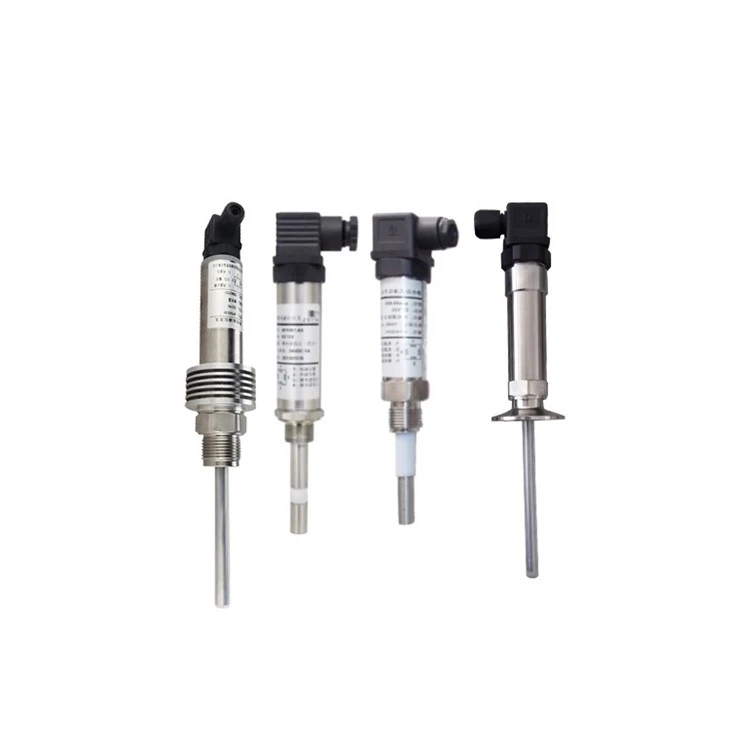
As a capacitive switch supplier, we offer a wide range of products to meet the diverse needs of consumer electronics manufacturers. Our capacitive level switch is designed for applications where accurate level sensing is required. It can be used in various consumer electronics devices, such as liquid - filled appliances, to monitor the level of liquids.
Our High temperature explosion - proof RF admittance level switch controller for silos is suitable for more demanding environments. It can withstand high temperatures and is explosion - proof, making it ideal for industrial and some specialized consumer electronics applications.
We also provide Liquid Level Capacitive Sensor, which is highly accurate and reliable for detecting liquid levels. This sensor can be integrated into consumer electronics devices like coffee makers, water dispensers, and other liquid - handling appliances.
In conclusion, capacitive switches have great potential in consumer electronics. Their advantages in terms of design, durability, sensitivity, and hygiene make them an attractive option for manufacturers. Although there are some challenges, the benefits far outweigh the drawbacks. As a capacitive switch supplier, we are committed to providing high - quality products and solutions to help consumer electronics manufacturers create innovative and user - friendly devices.
If you are a consumer electronics manufacturer looking for reliable capacitive switch solutions, we invite you to reach out to us for a detailed discussion on your requirements. We are ready to work with you to develop the best - fitting capacitive switch products for your devices.
References
- "Capacitive Sensing Technology: Principles and Applications" by John Smith
- "Advances in Consumer Electronics Interfaces" published by the Institute of Electrical and Electronics Engineers
- "Design Considerations for Capacitive Switches in Harsh Environments" in the Journal of Electronic Components and Technology





