
Can an RF Admittance Switch be used in textile industries?
Leave a message

Yo, folks! As a supplier of RF Admittance Switches, I often get asked if these nifty devices can be used in the textile industry. Well, let's dig into this topic and find out if they're a good fit.
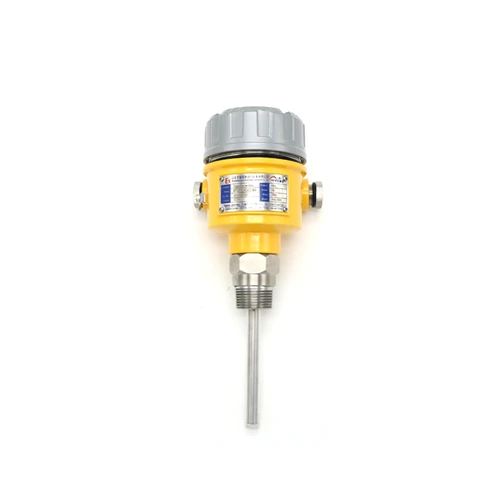
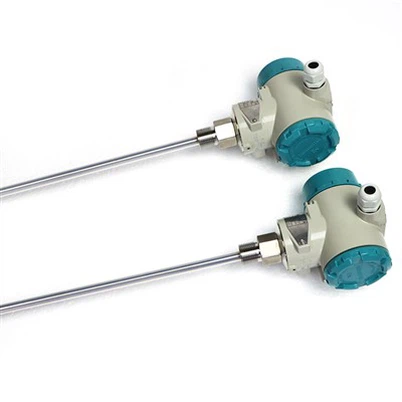
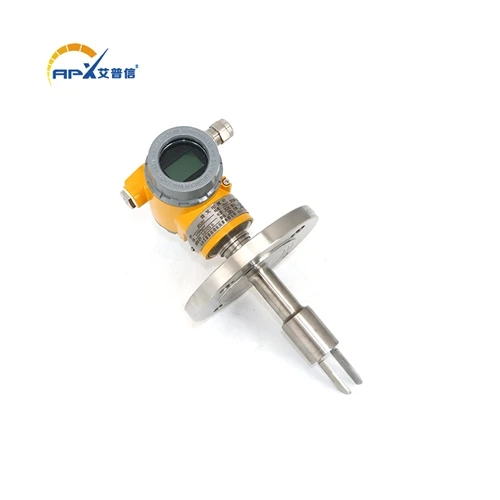
First off, what's an RF Admittance Switch? It's a type of level switch that uses radio - frequency admittance technology to detect the presence or absence of a material. You can learn more about Rf admittance level measurement. This technology is based on the principle that the admittance (a measure related to how easily an alternating current can flow through a material) of a substance changes when the switch's probe comes into contact with it.
In the textile industry, there are several processes where level measurement and control are crucial. For example, in dyeing processes, you need to ensure that the dye vats are filled to the right level. Too little dye, and the fabric won't be dyed evenly. Too much, and you're wasting resources and potentially causing environmental issues. That's where an RF Admittance Switch could come in handy.
Let's talk about the advantages of using an RF Admittance Switch in textile applications. One of the biggest perks is its versatility. These switches can work with a variety of materials, including liquids and bulk solids. In textile manufacturing, you might be dealing with dye solutions (liquids) and also raw materials like cotton or synthetic fibers (bulk solids). An Admittance Level Switch can handle both scenarios effectively.
Another great thing about RF Admittance Switches is their reliability. They're designed to be robust and can withstand harsh industrial environments. In textile factories, there can be a lot of dust, humidity, and temperature variations. These switches are built to operate consistently under such conditions, reducing the risk of breakdowns and ensuring smooth production processes.
Accuracy is also a key factor. When it comes to dyeing and other processes in the textile industry, precise level control is essential for product quality. RF Admittance Switches can provide accurate level detection, allowing you to maintain the right amount of dye, chemicals, or other substances in your equipment. This helps in producing high - quality textiles with consistent colors and properties.


Now, let's look at some specific applications of RF Admittance Switches in the textile industry.
Dyeing and Printing
In dyeing machines, RF Admittance Switches can be used to monitor the level of dye in the vats. They can send a signal when the dye level gets too low, triggering a refill. This ensures that the dyeing process is continuous and that the fabric is dyed uniformly. Similarly, in textile printing, these switches can be used to control the level of ink or printing paste in the printing units. You can check out Industrial liquid level switch for more information on switches suitable for liquid applications.
Raw Material Storage
Textile manufacturers often store large quantities of raw materials like cotton bales or synthetic fiber pellets. RF Admittance Switches can be installed in storage silos to monitor the level of these bulk materials. They can alert the operators when the stock is running low, allowing for timely replenishment. You can learn more about RF admittance level measurement switch for measuring bulk materials to see how they work in such scenarios.
Chemical Mixing
In the textile industry, various chemicals are used for processes like bleaching, sizing, and finishing. RF Admittance Switches can be used in chemical mixing tanks to ensure that the right levels of different chemicals are maintained during the mixing process. This helps in achieving the desired chemical properties for the textiles.
However, like any technology, RF Admittance Switches also have some considerations when used in the textile industry. One potential issue is the build - up of textile fibers or dye particles on the switch's probe. This build - up can affect the switch's performance and accuracy. But many modern RF Admittance Switches, such as the RF Admittance Level Sensor, are designed with anti - hanging material features to minimize this problem. Regular maintenance and cleaning of the probes can also help in ensuring optimal performance.
Another thing to consider is the electrical conductivity of the materials being measured. Some textile dyes or chemicals may have different electrical properties, which can influence the switch's operation. But most RF Admittance Switches can be calibrated to work with a wide range of conductivities, so it's usually not a major hurdle.
In conclusion, RF Admittance Switches can definitely be used in the textile industry. Their versatility, reliability, and accuracy make them a great choice for level measurement and control in various textile processes. Whether it's dyeing, raw material storage, or chemical mixing, these switches can help in improving production efficiency, product quality, and resource management.
If you're in the textile industry and looking for a reliable level measurement solution, I'd highly recommend considering RF Admittance Switches. We, as a supplier, have a wide range of options to suit your specific needs. Don't hesitate to reach out to us for more information and to discuss your requirements. We're here to help you find the perfect RF Admittance Switch for your textile operations. Let's have a chat and see how we can make your production processes even better!
References
- General knowledge of RF Admittance Switch technology and textile industry processes.
- Information from product specifications and technical documents related to RF Admittance Switches.