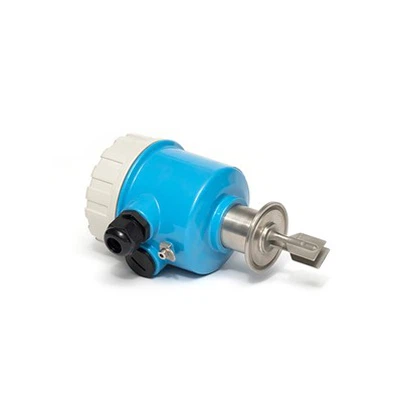

Can a concentration meter measure multiple substances simultaneously?
Leave a message

In the realm of industrial and scientific measurement, the ability to accurately determine the concentration of substances is of paramount importance. A common question that often arises is whether a concentration meter can measure multiple substances simultaneously. As a reputable concentration meter supplier, I am here to delve into this topic and provide you with a comprehensive understanding.
The Concept of Simultaneous Substance Measurement
The idea of measuring multiple substances at once is highly appealing. In many industrial processes, mixtures of different chemicals are present, and knowing the concentration of each component is crucial for quality control, process optimization, and safety. For example, in the chemical industry, a solution might contain hydrochloric acid, sulfuric acid, and various salts. Being able to measure the concentration of each of these substances in real - time can significantly improve the efficiency of the production process.
Technological Challenges
However, measuring multiple substances simultaneously is not without its challenges. Different substances have unique chemical and physical properties, and these properties can interact with each other in complex ways. For instance, the presence of one substance might interfere with the measurement of another. This interference can be due to factors such as chemical reactions between the substances, changes in the refractive index, or electrical conductivity.
One of the main technological hurdles is the development of sensors that can distinguish between different substances. Most traditional concentration meters are designed to measure a single substance based on a specific property, such as the absorption of light at a particular wavelength or the change in electrical conductivity. To measure multiple substances, the sensor needs to be able to detect and separate the signals corresponding to each substance.
Types of Concentration Meters and Their Capabilities
Optical Concentration Meters
Optical concentration meters work by measuring the absorption or scattering of light by a substance. Some advanced optical concentration meters are capable of measuring multiple substances simultaneously. These meters use a technique called multi - wavelength spectroscopy, where light of different wavelengths is passed through the sample. Each substance absorbs light at specific wavelengths, and by analyzing the absorption spectrum, the concentration of each substance can be determined.
For example, in a mixture of alcohol and water, alcohol has a different absorption spectrum compared to water. By measuring the absorption at multiple wavelengths, an optical concentration meter can calculate the concentration of both alcohol and water. However, this method requires careful calibration and may be limited by the presence of other substances that can also absorb light at the same wavelengths.
Electrical Conductivity Concentration Meters
Electrical conductivity concentration meters measure the ability of a solution to conduct electricity. In a mixture of ionic substances, the conductivity of the solution is related to the concentration of the ions present. While it is possible to measure the total conductivity of a solution containing multiple ionic substances, determining the concentration of each individual substance can be challenging.
Some advanced electrical conductivity meters use a combination of conductivity measurements at different frequencies and mathematical models to estimate the concentration of multiple substances. However, this method is also subject to interference from other factors, such as temperature and the presence of non - ionic substances.
Our Company's Solutions
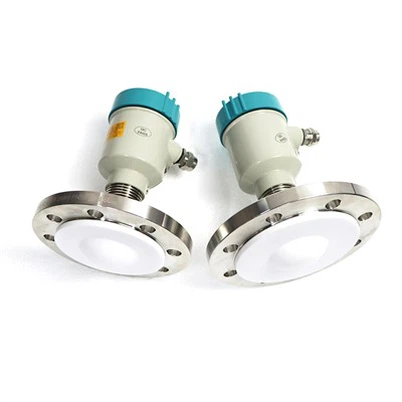
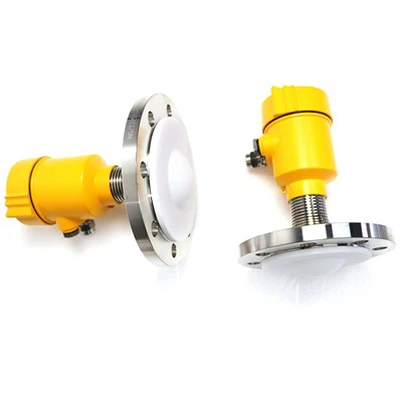
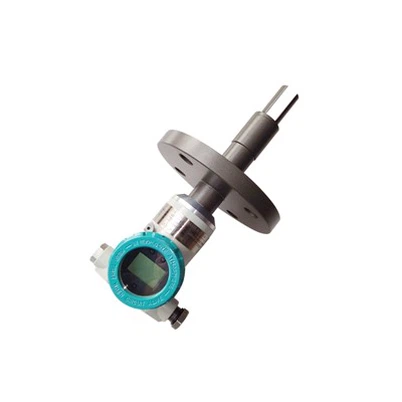
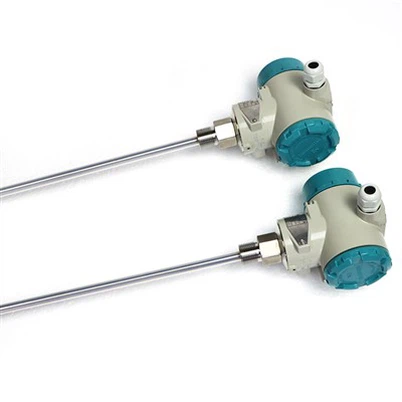
As a concentration meter supplier, we offer a range of products that are designed to meet the diverse needs of our customers. Our Industrial measurement online alcohol density meter 4 - 20mA output is a state - of the - art device that can accurately measure the concentration of alcohol in various industrial applications. It uses advanced sensor technology to provide reliable and precise measurements.
For the chemical industry, our Chemical industry hydrochloric acid liquid detection concentration meter is capable of measuring the concentration of hydrochloric acid and other acid - base salts in a solution. This meter is designed to withstand the harsh chemical environment and provides real - time data for process control.


In addition, our Corrosion resistant online concentration measuring instrument is specifically designed for applications where corrosion is a concern. It can measure the concentration of substances in corrosive liquids, such as hydrochloric acid, with high accuracy.
Case Studies
Let's take a look at some real - world examples of how our concentration meters have been used to measure multiple substances simultaneously.
In a chemical manufacturing plant, there was a need to measure the concentration of hydrochloric acid and sodium chloride in a solution. Our multi - component concentration meter was installed, which used a combination of optical and electrical conductivity sensors. The meter was calibrated to distinguish between the signals of hydrochloric acid and sodium chloride, and it was able to provide accurate and real - time concentration data. This allowed the plant operators to optimize the production process and improve the quality of the final product.
In a beverage production facility, an optical concentration meter was used to measure the concentration of sugar and alcohol in the product. By analyzing the absorption spectrum at multiple wavelengths, the meter was able to determine the concentration of both sugar and alcohol simultaneously. This helped the company to ensure the consistency of their products and meet the regulatory requirements.
Conclusion
In conclusion, while it is challenging, it is possible for a concentration meter to measure multiple substances simultaneously. Advances in sensor technology and data analysis have made it increasingly feasible to develop concentration meters with multi - substance measurement capabilities. However, the success of these measurements depends on factors such as the complexity of the mixture, the presence of interfering substances, and the calibration of the meter.
As a concentration meter supplier, we are committed to providing our customers with the most advanced and reliable products. Our range of concentration meters is designed to meet the diverse needs of different industries, and we are constantly working on improving our technology to enhance the multi - substance measurement capabilities.
If you are interested in our concentration meters and would like to discuss your specific requirements, we invite you to contact us for a detailed consultation. Our team of experts will be happy to assist you in finding the most suitable solution for your application.
References
- "Principles of Analytical Chemistry" by Douglas A. Skoog, F. James Holler, and Stanley R. Crouch
- "Sensors and Actuators: A Physical" journal articles on concentration measurement technology
- Technical documentation from leading concentration meter manufacturers