

How to measure the concentration of solvents with a concentration meter?
Leave a message

Measuring the concentration of solvents accurately is crucial in various industries, from chemical manufacturing to food and beverage production. As a concentration meter supplier, I've seen firsthand how important it is to have reliable tools for this task. In this blog post, I'll share some insights on how to measure the concentration of solvents with a concentration meter.
Understanding Concentration Meters
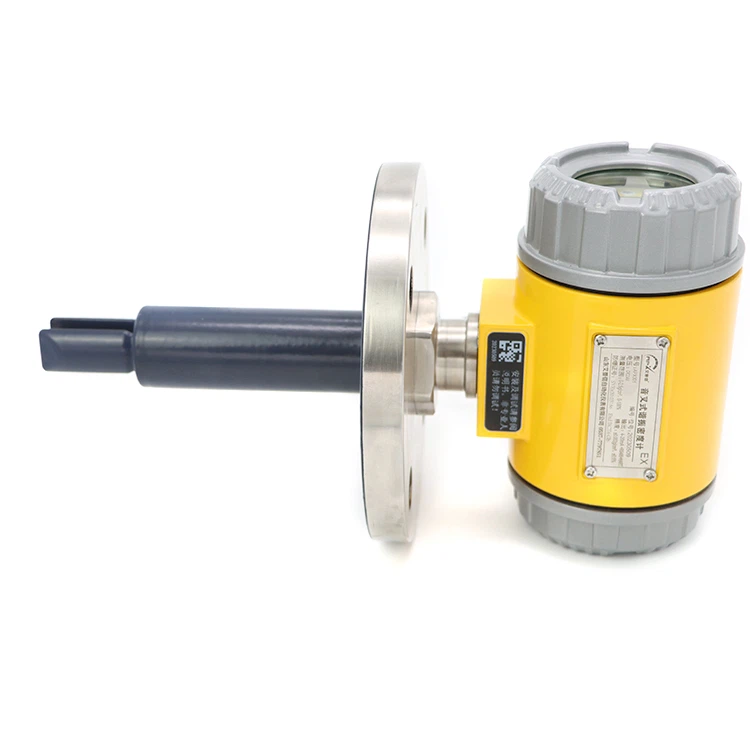
Before we dive into the measurement process, let's quickly go over what a concentration meter is. A concentration meter is a device used to determine the amount of a particular substance (the solute) dissolved in a solvent. There are different types of concentration meters, each using various principles such as refractive index, density, conductivity, and spectroscopy.
Choosing the Right Concentration Meter
The first step in measuring solvent concentration is to choose the right concentration meter for your needs. Here are some factors to consider:
- Type of Solvent: Different solvents have different properties, and some concentration meters work better with certain solvents than others. For example, if you're measuring the concentration of an aqueous solution, a conductivity-based concentration meter might be a good choice. On the other hand, if you're dealing with organic solvents, a refractive index or density-based meter could be more suitable.
- Required Accuracy: The level of accuracy you need will depend on your application. Some industries, such as pharmaceuticals, require very high accuracy, while others may be able to tolerate a lower level of precision. Make sure to choose a concentration meter that can meet your accuracy requirements.
- Measurement Range: Consider the range of concentrations you need to measure. Some concentration meters have a limited measurement range, so it's important to choose one that can cover the full range of concentrations you'll encounter in your work.
Preparing for Measurement
Once you've chosen the right concentration meter, it's time to prepare for the measurement. Here are the steps you should follow:
- Calibrate the Meter: Before taking any measurements, it's essential to calibrate the concentration meter. Calibration ensures that the meter is providing accurate readings. Follow the manufacturer's instructions for calibration, which typically involves using a standard solution with a known concentration.
- Prepare the Sample: Make sure your sample is well-mixed and free of any impurities or debris. If necessary, filter the sample to remove any solid particles. The temperature of the sample can also affect the measurement, so it's important to ensure that the sample is at the appropriate temperature.
- Check the Meter Settings: Double-check the settings on the concentration meter to make sure they're correct for your sample and the type of measurement you're taking. This may include setting the correct units of measurement, temperature compensation, and other parameters.
Taking the Measurement
Now that you're prepared, it's time to take the measurement. Here's how:
- Immerse the Probe: If your concentration meter has a probe, carefully immerse it in the sample. Make sure the probe is fully submerged and that there are no air bubbles around it.
- Wait for the Reading to Stabilize: It may take a few seconds or minutes for the reading on the concentration meter to stabilize. Be patient and wait until the reading stops changing before recording the measurement.
- Record the Reading: Once the reading has stabilized, record the concentration value. Make sure to note the units of measurement and any other relevant information.
Interpreting the Results
After taking the measurement, it's important to interpret the results correctly. Here are some things to keep in mind:

- Compare with the Expected Value: If you have an expected concentration value for your sample, compare the measured value with the expected value. If there's a significant difference, there may be an issue with the measurement or the sample itself.
- Consider the Uncertainty: Every measurement has some degree of uncertainty. Make sure to take this into account when interpreting the results. The uncertainty of the measurement can be affected by factors such as the accuracy of the concentration meter, the calibration process, and the variability of the sample.
- Look for Trends: If you're taking multiple measurements over time, look for trends in the data. This can help you identify any changes in the concentration of the solvent and take appropriate action if necessary.
Troubleshooting Common Issues
Sometimes, you may encounter issues when measuring the concentration of solvents with a concentration meter. Here are some common issues and how to troubleshoot them:
- Inaccurate Readings: If you're getting inaccurate readings, the first thing to check is the calibration of the meter. Make sure the meter is properly calibrated and that you're using the correct calibration solution. You should also check the temperature of the sample, as temperature can affect the measurement.
- Probe Contamination: If the probe of the concentration meter is contaminated, it can affect the accuracy of the measurement. Clean the probe according to the manufacturer's instructions and make sure it's free of any debris or impurities.
- Electrical Interference: Electrical interference can also cause issues with the measurement. Make sure the concentration meter is properly grounded and that there are no sources of electrical interference nearby.
Using Concentration Meters in Different Industries
Concentration meters are used in a wide range of industries, each with its own specific requirements. Here are some examples of how concentration meters are used in different industries:
- Chemical Manufacturing: In the chemical manufacturing industry, concentration meters are used to monitor the concentration of reactants and products during the manufacturing process. This helps ensure that the products meet the required specifications and that the manufacturing process is efficient.
- Food and Beverage Production: In the food and beverage industry, concentration meters are used to measure the concentration of sugar, salt, and other ingredients in products. This helps ensure the quality and consistency of the products.
- Pharmaceuticals: In the pharmaceutical industry, concentration meters are used to measure the concentration of active ingredients in drugs. This is crucial for ensuring the safety and effectiveness of the drugs.
The Importance of Regular Maintenance
To ensure the accuracy and reliability of your concentration meter, it's important to perform regular maintenance. Here are some maintenance tasks you should perform:
- Clean the Meter: Regularly clean the concentration meter, including the probe and the display. This helps prevent contamination and ensures that the meter is working properly.
- Check the Calibration: Periodically check the calibration of the concentration meter to make sure it's still accurate. If necessary, recalibrate the meter according to the manufacturer's instructions.
- Replace Parts as Needed: Over time, some parts of the concentration meter may wear out or become damaged. Replace these parts as needed to ensure the continued performance of the meter.
Conclusion
Measuring the concentration of solvents with a concentration meter is an important task in many industries. By choosing the right concentration meter, preparing for the measurement, taking the measurement correctly, and interpreting the results accurately, you can ensure that you're getting reliable and accurate concentration measurements. If you have any questions or need help choosing the right concentration meter for your needs, don't hesitate to contact us. We're a leading Online detection concentration sensor supplier and can provide you with the expertise and support you need. Whether you're looking for an Ammonia concentration detection sensor or a Lead acid battery electrolyte online concentration meter, we've got you covered. Let's start a conversation about your specific requirements and find the best solution for you.
References
- ASTM International. (20XX). Standard test methods for [relevant test method]. ASTM [standard number].
- Manufacturer's Manual for [Concentration Meter Model]. [Manufacturer Name], [Year].
- Smith, J. (20XX). "Best Practices in Solvent Concentration Measurement." Journal of Chemical Engineering, [Volume], [Pages].


