
How Is A Concentration Meter Used in Paint Production?
Leave a message
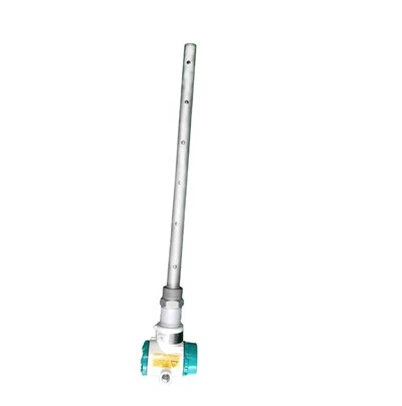
In the production process of paints and coatings, the vibration concentration meter evaluates the viscosity of the material by measuring the vibration frequency of the material under certain conditions. By real-time monitoring of the viscosity during the production process, the consistency and stability of the product are ensured to meet the production process requirements.
The working process of the vibration concentration meter is as follows: Place the viscometer in the liquid to be measured, turn on the switch, set the measurement parameters, and the instrument starts working. The vibration rod vibrates, and the sensor receives the signal to obtain the viscosity value of the measured liquid.
In the production process of paints and coatings, viscosity is a key control parameter that directly affects the performance and application effect of the final product. To accurately control and measure viscosity, vibration viscometers are widely used in various stages of the production line.
The working principle of the instrument is based on the resistance encountered by an object when it vibrates in a fluid, which is proportional to the viscosity of the fluid. The specific working process can be divided into the following steps:
1. Preparation: First, immerse the sensor part of the vibration concentration meter in the liquid to be measured to ensure that the sensor is in full contact with the liquid while avoiding interference from bubbles.
2. Set parameters: Next, the operator needs to set the measurement parameters, which may include the frequency, amplitude, time of vibration, etc. The choice of these parameters depends on the type of liquid being measured and the expected viscosity range.
3. Start measurement: After starting, the sensor begins to vibrate according to the preset parameters. The vibration of the sensor will cause resistance in the surrounding liquid, which in turn affects the vibration frequency and amplitude of the sensor.
4. Signal detection: The resistance changes felt by the sensor will be captured by the built-in detection system and converted into electrical signals, which are then sent to the data processing unit for analysis.
5. Result output: After data analysis, the viscometer will display the viscosity value of the measured liquid. This value can directly reflect the fluidity and viscosity of the liquid.
6. Data recording and adjustment: The operator can adjust the production process according to the displayed viscosity value to achieve the best process conditions. At the same time, this data can also be used for historical tracking and analysis of product quality.

By using a vibrating concentration meter, manufacturers can achieve precise control of the viscosity of paints and coatings, which is of great significance for ensuring product quality, improving production processes, and reducing production costs. In addition, this equipment can also help companies better understand and master the physical properties of products, providing strong data support for further research development and improvement.
In the production process of paints and coatings, the vibration concentration meter evaluates the viscosity of the material by measuring the vibration frequency of the material under certain conditions. By real-time monitoring of the viscosity during the production process, the consistency and stability of the product are ensured to meet the production process requirements.
The working process of the vibration concentration meter is as follows: Place the viscometer in the liquid to be measured, turn on the switch, set the measurement parameters, and the instrument starts working. The vibration rod vibrates, and the sensor receives the signal to obtain the viscosity value of the measured liquid.
In the production process of paints and coatings, viscosity is a key control parameter that directly affects the performance and application effect of the final product. To accurately control and measure viscosity, vibration viscometers are widely used in various stages of the production line.
The working principle of the instrument is based on the resistance encountered by an object when it vibrates in a fluid, which is proportional to the viscosity of the fluid. The specific working process can be divided into the following steps:
1. Preparation: First, immerse the sensor part of the vibration concentration meter in the liquid to be measured to ensure that the sensor is in full contact with the liquid while avoiding interference from bubbles.
2. Set parameters: Next, the operator needs to set the measurement parameters, which may include the frequency, amplitude, time of vibration, etc. The choice of these parameters depends on the type of liquid being measured and the expected viscosity range.
3. Start measurement: After starting, the sensor begins to vibrate according to the preset parameters. The vibration of the sensor will cause resistance in the surrounding liquid, which in turn affects the vibration frequency and amplitude of the sensor.
4. Signal detection: The resistance changes felt by the sensor will be captured by the built-in detection system and converted into electrical signals, which are then sent to the data processing unit for analysis.
5. Result output: After data analysis, the viscometer will display the viscosity value of the measured liquid. This value can directly reflect the fluidity and viscosity of the liquid.
6. Data recording and adjustment: The operator can adjust the production process according to the displayed viscosity value to achieve the best process conditions. At the same time, this data can also be used for historical tracking and analysis of product quality.
By using a vibrating concentration meter, manufacturers can achieve precise control of the viscosity of paints and coatings, which is of great significance for ensuring product quality, improving production processes, and reducing production costs. In addition, this equipment can also help companies better understand and master the physical properties of products, providing strong data support for further research development and improvement.