What is the power supply requirement for an Admittance Level Switch?
Leave a message

Hey there! As a supplier of Admittance Level Switches, I often get asked about the power supply requirements for these nifty gadgets. So, I thought I'd take a few minutes to break it down for you.
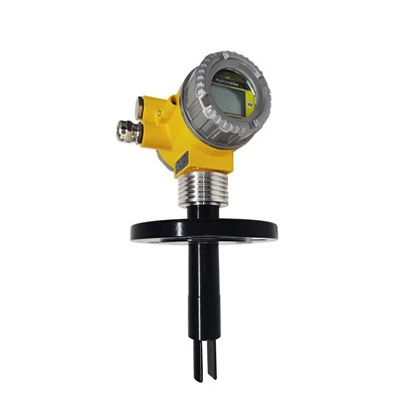
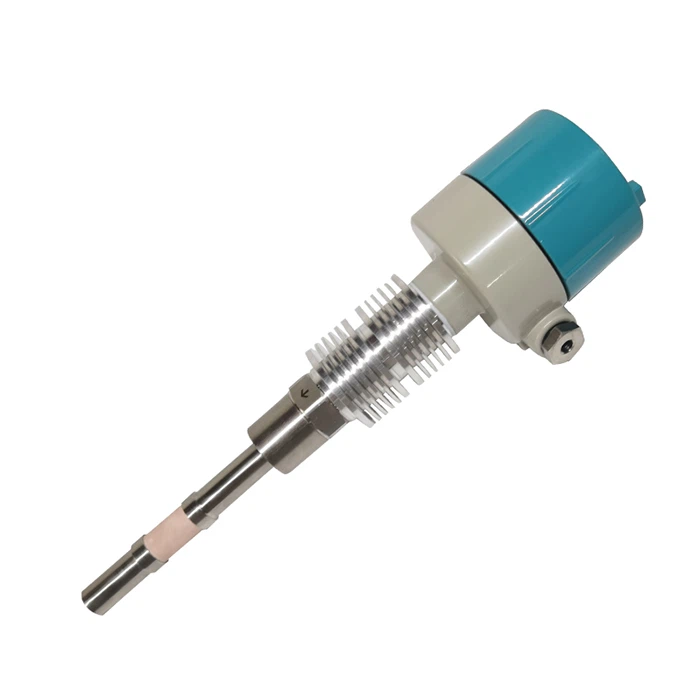
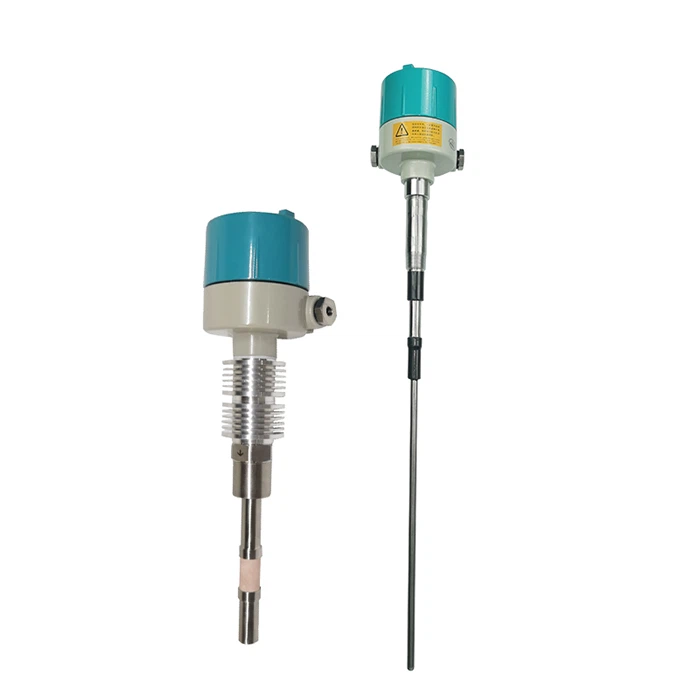
First off, let's talk about what an Admittance Level Switch is. It's a device that uses the principle of admittance (the measure of how easily an electrical circuit allows an alternating current to flow) to detect the level of a substance in a container. This could be anything from liquids in a tank to solids in a silo. They're super useful in a whole bunch of industries, like food and beverage, chemical, and pharmaceuticals.
Now, onto the power supply requirements. The power supply for an Admittance Level Switch can vary depending on a few factors, such as the model, the application, and the environment it's going to be used in.
Voltage Requirements
Most Admittance Level Switches can operate within a certain voltage range. Common voltage options include 12V DC, 24V DC, and 110V/230V AC.
12V DC and 24V DC are often used in applications where safety is a concern, or where the system is powered by a low - voltage source. For example, in some portable or battery - powered setups, 12V DC might be the go - to choice. It's also common in industrial control systems where other components are already running on 24V DC, which makes it easier to integrate the level switch into the existing electrical infrastructure.
On the other hand, 110V/230V AC is typically used in more traditional industrial settings where the power grid provides a standard household or industrial voltage. This is especially useful when you don't have a dedicated low - voltage power supply available.
Current Consumption
Another important aspect of the power supply requirement is the current consumption of the Admittance Level Switch. This is usually specified in milliamperes (mA). The current consumption can vary depending on the complexity of the switch's circuitry and the features it offers.
Simple Admittance Level Switches with basic functionality might have a relatively low current consumption, perhaps in the range of 10 - 50 mA. However, switches with additional features like digital displays, communication interfaces (such as Modbus or Profibus), or advanced diagnostic capabilities might consume more current, maybe up to 100 mA or even higher.
Power Supply Stability
It's crucial to ensure that the power supply is stable. Fluctuations in voltage or current can cause the Admittance Level Switch to malfunction. For example, if the voltage drops too low, the switch might not be able to operate correctly and could give false readings.
To avoid this, it's a good idea to use a regulated power supply. A regulated power supply maintains a constant output voltage, even if there are changes in the input voltage or the load on the power supply. This helps to ensure the reliable operation of the Admittance Level Switch.
Environmental Considerations
The environment in which the Admittance Level Switch will be installed also plays a role in the power supply requirements. In harsh industrial environments, for example, the power supply might need to be more robust.
If the switch is going to be used in an area with high levels of electrical noise, it might require a power supply with good noise - filtering capabilities. Electrical noise can interfere with the operation of the switch and cause false alarms or inaccurate readings.
In addition, if the switch is installed in a location with extreme temperatures, the power supply needs to be able to operate within that temperature range. Some power supplies are designed to work in a wide temperature range, from - 20°C to 60°C or even more.
Compatibility with Other Equipment
When choosing a power supply for an Admittance Level Switch, you also need to consider its compatibility with other equipment in the system. For example, if the switch is part of a larger control system, the power supply should be able to work in harmony with the other components.
If you're using a programmable logic controller (PLC) or a distributed control system (DCS) to monitor and control the level switch, the power supply should be able to provide the necessary power without causing any interference with the communication between the switch and the control system.
Where to Find the Right Admittance Level Switch
If you're in the market for an Admittance Level Switch, we've got some great options. Check out our Admittance Level Switch page for more details. We also have an RF admittance level switch for measuring silo dust that's perfect for handling dusty environments in silos. And if you're dealing with industrial liquids, our Industrial liquid level switch is a great choice.
Conclusion
In conclusion, understanding the power supply requirements for an Admittance Level Switch is essential for ensuring its proper and reliable operation. By considering factors such as voltage, current consumption, power supply stability, environmental conditions, and compatibility with other equipment, you can choose the right power supply for your specific application.
If you have any questions about the power supply requirements or if you're interested in purchasing an Admittance Level Switch, don't hesitate to reach out. We're here to help you make the best choice for your needs. Whether you're a small - scale operation or a large industrial facility, we've got the expertise and the products to meet your level - sensing requirements.
References
- Various technical manuals of Admittance Level Switches
- Industry standards related to electrical power supplies in industrial applications